
Washer Won’t Start: Faulty Start Switch or Blown Fuse
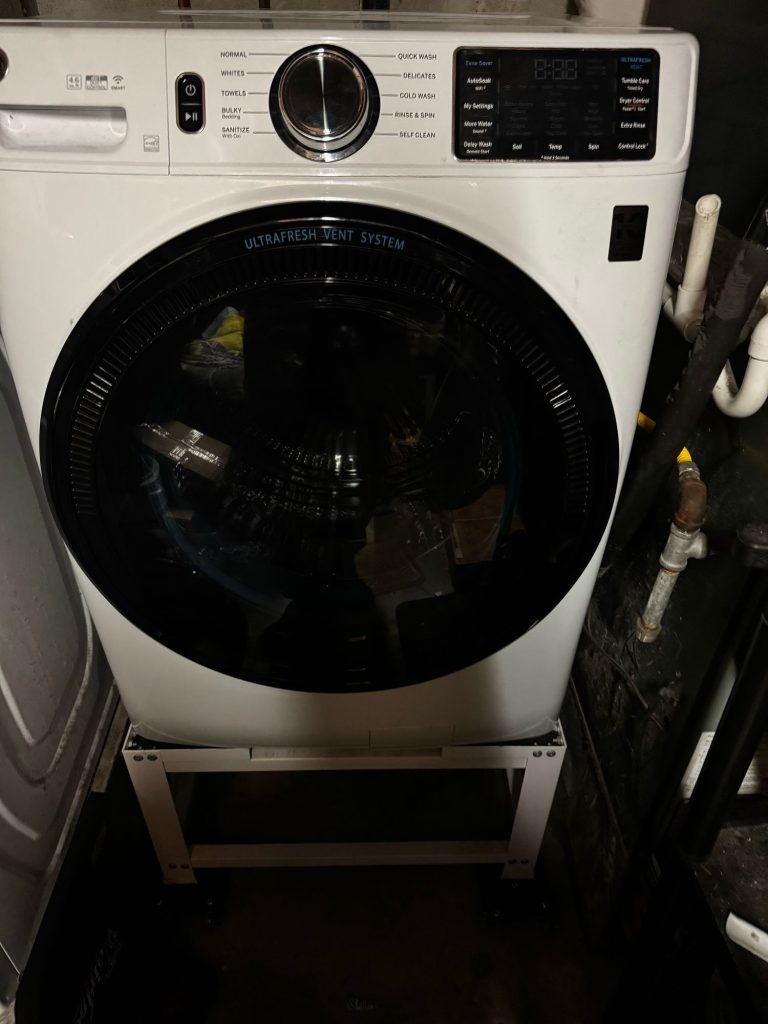
Few household problems are as frustrating as loading your washing machine, adding detergent, pressing the start button—and nothing happens. No spinning, no water filling, no familiar sounds of a cycle beginning. When a washer refuses to start, many homeowners immediately assume the appliance is completely broken. However, in many cases the issue is much simpler. Two of the most common causes are a faulty start switch or a blown fuse.
Understanding these potential problems can help you recognize when your washer needs professional attention.
The Role of the Start Switch
The start switch is one of the most essential components of a washing machine. It acts as the command center that signals the appliance to begin a cycle. When you press the start button or turn the control knob, the switch activates the washer’s electrical system, allowing power to reach the motor, water inlet valve, and control board.
Over time, however, the start switch can wear out. Like any frequently used mechanical or electrical part, it is subject to gradual deterioration. If the internal contacts become damaged or loose, the washer may not receive the signal to begin operating.
A faulty start switch often causes symptoms such as:
- The control panel lights up, but the washer does not start
- Pressing the start button produces no response
- The washer starts intermittently after several attempts
- The button or knob feels loose or unresponsive
Because the switch connects directly to the washer’s electrical system, diagnosing and replacing it should be done by a trained technician. Attempting repairs without proper knowledge may cause additional damage.
When a Blown Fuse Stops the Washer
Another common reason a washer won’t start is a blown fuse. Washing machines contain internal fuses designed to protect the appliance from electrical overloads or short circuits. When the fuse blows, it interrupts the power supply to prevent damage to more expensive components.
If this happens, the washer may appear completely unresponsive. In many cases:
- The control panel does not light up
- The machine does not react when the start button is pressed
- No sounds or movement occur
A blown fuse can result from several factors, including power surges, wiring problems, or failing internal components. Simply replacing the fuse without identifying the underlying cause can lead to repeated failures.
Professional technicians check the wiring, electrical connections, and other components to ensure the problem is fully resolved.
Other Issues That May Look Similar
While the start switch and fuse are frequent culprits, other components may also prevent a washer from starting. These include door lock assemblies, control boards, and power supply problems. Because modern washing machines rely on complex electronic systems, identifying the exact cause requires proper testing equipment and experience.
Misdiagnosing the issue can lead to unnecessary part replacements or more expensive repairs later.
Why Professional Diagnosis Matters
A washing machine that refuses to start may seem like a minor inconvenience at first, but delaying repairs can cause additional strain on other components. Electrical faults, in particular, should always be addressed promptly to prevent further damage.
Professional technicians can quickly determine whether the issue is a faulty start switch, a blown fuse, or another malfunction. They have the tools and expertise to safely inspect the appliance, replace defective parts, and restore your washer to normal operation.
Restore Your Washer’s Performance
If your washing machine won’t start and basic troubleshooting hasn’t solved the problem, it’s time to call professionals. The specialists at the Service Center are ready to diagnose the issue and perform reliable repairs to get your appliance running again.
Don’t let a small electrical fault disrupt your routine. Contact the Service Center today to schedule professional washer repair and ensure your appliance works safely and efficiently.