
Refrigerator Shelves Are Getting Wet? Here’s What It Could Mean
Opening your refrigerator and finding water droplets on the shelves can be confusing, especially when the interior walls appear completely dry. Many homeowners assume the refrigerator is leaking or that food containers are causing the moisture. In reality, condensation forming on shelves often points to an airflow or temperature-related issue inside the appliance.
Although a small amount of moisture may seem harmless, persistent condensation can affect food quality, create unpleasant odors, and increase the workload on the refrigerator’s cooling system. Understanding the possible causes can help prevent more serious problems and keep your appliance operating efficiently.
Why Moisture Forms on Refrigerator Shelves
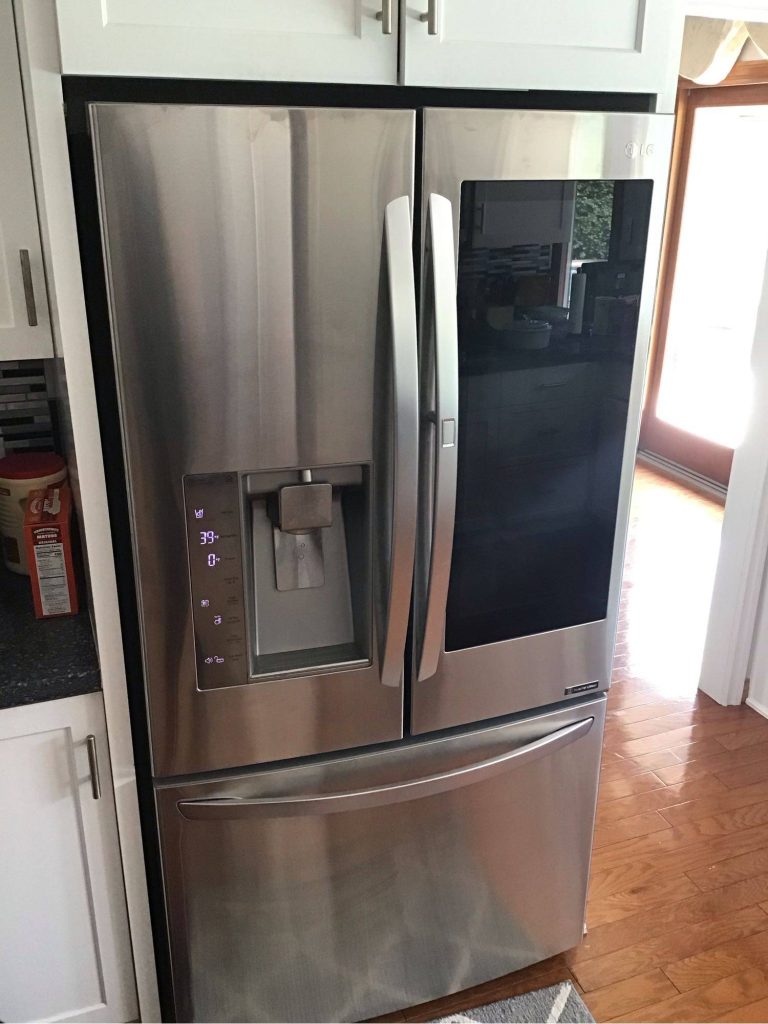
Refrigerators are designed to remove heat and maintain a stable internal temperature. As cold air circulates through the fresh food compartment, it helps regulate humidity levels and prevents moisture from accumulating on surfaces.
When this balance is disrupted, water vapor present in the air condenses into liquid droplets. Since shelves and food containers can become cooler than the surrounding air, they often become the first surfaces where condensation appears.
If the walls of the refrigerator remain dry while the shelves become wet, the problem is frequently related to uneven cooling rather than excessive overall humidity.
Blocked Air Vents
One of the most common reasons for wet refrigerator shelves is restricted airflow caused by blocked air vents.
Modern refrigerators distribute cold air through vents located inside the fresh food compartment. These vents allow cooled air from the evaporator system to circulate throughout the appliance. When food packages, storage bins, or large containers obstruct these openings, airflow becomes uneven.
As a result, some sections of the refrigerator may become significantly colder than others. Moisture naturally collects on these colder surfaces, leading to visible water droplets on shelves, containers, and food packaging.
A refrigerator packed too tightly can also reduce air circulation. While maximizing storage space is convenient, overcrowding can interfere with the appliance’s ability to maintain consistent temperatures.
Weak or Failing Evaporator Fan
The evaporator fan plays a critical role in refrigerator performance. Its job is to move cold air from the evaporator coils and distribute it evenly throughout the refrigerator and freezer compartments.
When the fan motor becomes weak or begins to fail, airflow decreases. Some areas may remain adequately cooled while others receive insufficient circulation. This temperature imbalance often creates ideal conditions for condensation to develop on refrigerator shelves.
Signs of evaporator fan problems may include:
- Uneven temperatures throughout the refrigerator
- Reduced cooling performance
- Unusual buzzing or humming noises
- Food spoiling more quickly than expected
- Moisture accumulation on shelves
Because evaporator fan issues can worsen over time, professional diagnosis is often recommended when cooling inconsistencies become noticeable.
Incorrect Temperature Settings
Temperature settings that are too low can sometimes contribute to condensation problems.
Many people assume colder settings always improve food preservation. However, excessively cold temperatures can create localized cold spots inside the refrigerator. When warmer air encounters these chilled surfaces, moisture condenses and forms water droplets.
Most refrigerators perform best when the fresh food compartment is maintained between 37°F and 40°F . Temperatures below this range may increase the likelihood of condensation while also risking partial freezing of certain foods.
If moisture appears regularly, verifying the temperature setting is a simple first step that may help reduce the issue.
Worn or Damaged Door Seals
The door gasket creates an airtight seal around the refrigerator door. This seal prevents warm, humid air from entering the refrigerated space.
Over time, door gaskets can become worn, cracked, dirty, or misshapen. Even a small gap can allow moisture-laden air to enter continuously.
As the humid air cools inside the refrigerator, condensation forms on colder surfaces such as shelves and food containers. In some cases, damaged seals can also cause longer compressor run times and increased energy consumption.
Common indicators of gasket problems include:
- Visible cracks or tears
- Loose sections of the seal
- Condensation near the door opening
- Difficulty keeping the refrigerator at the desired temperature
- Increased utility costs
Replacing a worn gasket can often restore proper sealing and improve overall refrigerator efficiency.
Frequent Door Openings
Households with busy kitchens may experience condensation simply because the refrigerator door is opened frequently throughout the day.
Every time the door opens, warm air from the room enters the refrigerator compartment. This incoming air carries moisture. Once inside, the moisture cools rapidly and can settle on shelves, containers, and food packaging.
The effect becomes more noticeable during summer months or in regions with high humidity levels. Long periods with the door open while searching for items can further increase moisture buildup.
Simple habits such as closing the door promptly and minimizing unnecessary openings can help reduce condensation.
How Excess Moisture Affects Refrigerator Performance
Many people ignore shelf condensation because the refrigerator still appears to be cooling properly. However, persistent moisture can have several negative consequences.
Excess water may:
- Shorten the freshness period of produce
- Encourage mold and bacterial growth
- Create unpleasant odors
- Damage paper packaging
- Increase frost formation in some models
- Force cooling components to work harder
As the refrigerator compensates for airflow or temperature irregularities, energy consumption may increase. Over time, this additional strain can contribute to premature wear of important components.
When Professional Service Is Recommended
Some causes of shelf condensation can be corrected through simple adjustments, such as reorganizing stored items or changing temperature settings. However, ongoing moisture problems often indicate underlying mechanical issues.
A professional technician can inspect:
- Air circulation pathways
- Evaporator fan operation
- Temperature control systems
- Door gasket condition
- Sensor performance
- Overall cooling efficiency
Identifying the source early may prevent larger and more expensive repairs in the future.
Contact the Service Center for Expert Refrigerator Repair
If your refrigerator shelves continue to collect moisture despite adjusting storage habits and temperature settings, professional attention may be necessary. Persistent condensation is often a warning sign that airflow, cooling, or sealing systems are not functioning as intended.
Contact the Service Center for professional refrigerator repair. Experienced technicians can diagnose airflow restrictions, temperature control issues, fan failures, and door seal problems. Prompt service helps restore proper cooling performance, protect food quality, and keep your refrigerator operating efficiently for years to come.