
Microwave Takes Longer to Heat Food? The Magnetron May Be Wearing Out
A microwave oven is one of the most frequently used appliances in many kitchens. Whether reheating leftovers, warming beverages, or preparing frozen meals, most people rely on their microwave for fast and convenient cooking. When the appliance suddenly begins taking much longer to heat food, it can quickly become frustrating and inconvenient.
If your microwave powers on normally, the turntable rotates, the interior light works, and the control panel appears fully functional, yet food remains cold or only partially heated, the problem may be related to a weakening magnetron. This component is responsible for generating the microwave energy that heats food. As it ages and deteriorates, heating performance gradually declines.
Understanding the possible causes of slow heating can help determine whether professional service is needed before the appliance stops working entirely.
What Does the Magnetron Do?
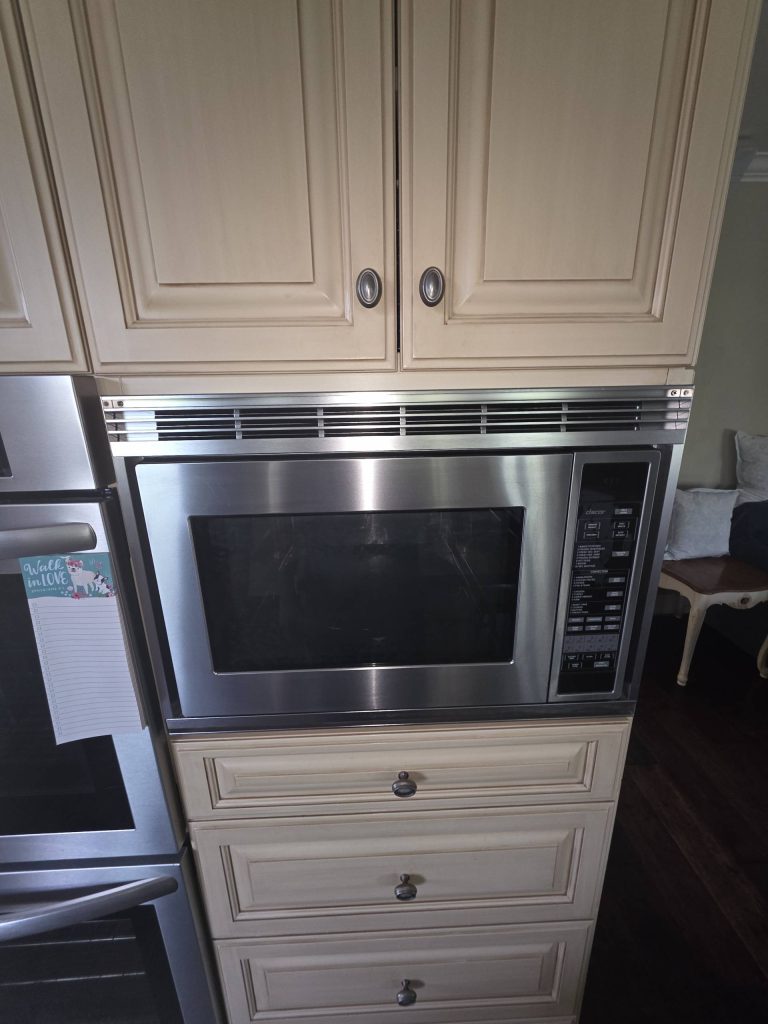
The magnetron is the primary component responsible for producing the microwave radiation used to heat food. When the microwave operates, electrical energy is converted into high-frequency electromagnetic waves. These waves cause water molecules within food to vibrate rapidly, generating heat.
Without a properly functioning magnetron, the appliance cannot efficiently produce the energy required for cooking and reheating.
Like any electronic component, the magnetron experiences wear over time. Thousands of heating cycles, age, electrical stress, and operating conditions can gradually reduce its efficiency.
As performance declines, the microwave may still operate, but heating becomes noticeably slower.
Longer Cooking Times
One of the earliest and most common warning signs of a weakening magnetron is an increase in cooking times.
Food that previously required one minute to heat may suddenly need two or three minutes to reach the same temperature. At first, this change may be subtle and easy to overlook. Many users assume the food was colder than usual or simply increase the cooking time without investigating the cause.
However, when longer heating times become a consistent pattern, the microwave may no longer be generating sufficient power.
Because magnetron wear often occurs gradually, performance can continue to decline over weeks or months before complete failure occurs.
Uneven Heating
A healthy microwave distributes energy evenly throughout the cooking cavity. While some variation is normal, food should generally heat consistently.
When the magnetron begins losing efficiency, uneven heating may become more noticeable. Certain areas of the food may become hot while others remain cool.
This issue can be particularly frustrating when reheating leftovers or preparing larger meals. The exterior may appear adequately heated while interior sections remain significantly cooler.
Uneven heating can also increase food safety concerns when certain portions fail to reach proper temperatures.
Drinks Remain Lukewarm
A quick test often involves heating a cup of water.
If water requires significantly longer than normal to become hot, reduced microwave output may be present. Many users first notice the issue when coffee, tea, or other beverages remain lukewarm after a standard heating cycle.
Because liquids absorb microwave energy efficiently, poor heating performance often becomes obvious when warming drinks.
When multiple heating cycles are required to achieve the desired temperature, professional diagnosis may be warranted.
Frozen Foods Stay Cold Inside
Frozen meals provide another common indication of declining microwave performance.
A weakening magnetron may generate enough energy to warm the outer layers of food while failing to adequately heat the center. As a result, the exterior becomes warm or hot while the interior remains partially frozen.
This symptom is frequently mistaken for a problem with the food itself. However, when multiple frozen products produce similar results, the microwave may be experiencing a component failure.
Consistent underheating can affect both food quality and food safety.
Unusual Buzzing or Humming Sounds
Microwaves normally produce a low operating hum during use. However, changes in sound may indicate developing problems.
A failing magnetron can sometimes produce louder buzzing, humming, or vibrating noises than usual. These sounds may occur intermittently at first and become more noticeable as the component deteriorates.
While unusual noises do not always confirm magnetron failure, they often serve as a warning sign that further inspection is needed.
Any sudden change in operating sounds should be investigated before additional damage occurs.
Other Components That Can Cause Slow Heating
Although the magnetron is a common source of heating problems, it is not the only possibility.
Several other components work together to produce microwave energy and ensure safe operation.
Potential causes include:
- A failing high-voltage diode
- A defective high-voltage capacitor
- Transformer problems
- Faulty door switches
- Electrical connection issues
- Control board malfunctions
Because these components directly affect power generation and distribution, failure of any one of them can reduce heating performance.
Determining the exact cause typically requires specialized testing equipment and technical expertise.
Why Microwave Repairs Require Professional Service
Unlike many household appliances, microwave ovens contain high-voltage electrical systems capable of storing dangerous amounts of energy even after the appliance has been unplugged.
Components such as capacitors can retain electrical charge long after operation has stopped. Improper handling may result in serious injury.
For this reason, microwave diagnosis and repair should always be performed by trained technicians who understand proper safety procedures and testing methods.
Attempting to repair high-voltage components without appropriate knowledge can create significant safety risks.
Preventing Complete Failure
Many microwave issues begin with minor performance changes before progressing into complete component failure.
When heating times increase, unusual sounds develop, or food heats unevenly, early diagnosis can often identify the problem before additional components are affected.
Prompt service may also help determine whether repair is economically practical compared to replacement.
Ignoring warning signs can eventually leave the appliance unable to heat food at all.
Contact the Service Center for Professional Microwave Repair
If your microwave takes longer than usual to heat food, leaves beverages lukewarm, or struggles to fully warm frozen meals, a weakening magnetron or another high-voltage component may be responsible.
The exact cause can only be determined through proper testing and inspection. Professional technicians have the equipment and experience necessary to safely diagnose microwave performance issues and recommend the appropriate repair.
Contact the Service Center for expert microwave diagnostics and repair. Our technicians can quickly identify the source of the problem, restore reliable heating performance, and help extend the life of your appliance. Schedule your service appointment today.