
Whirlpool Washing Machine Won’t Switch From Wash to Rinse Cycle — Possible Timer or Control Board Failure
A Whirlpool washing machine is designed to move automatically through each stage of the wash program. After completing the wash cycle, it should drain the water, refill the drum, and begin rinsing the laundry. If the machine remains stuck on the wash cycle or never advances to rinsing, there is likely a fault affecting one of the components responsible for cycle progression.
Although a temporary power interruption can occasionally confuse the electronics, a problem that happens repeatedly usually requires professional diagnosis. The most common causes include a faulty timer, a malfunctioning electronic control board, drainage problems, or defective sensors.
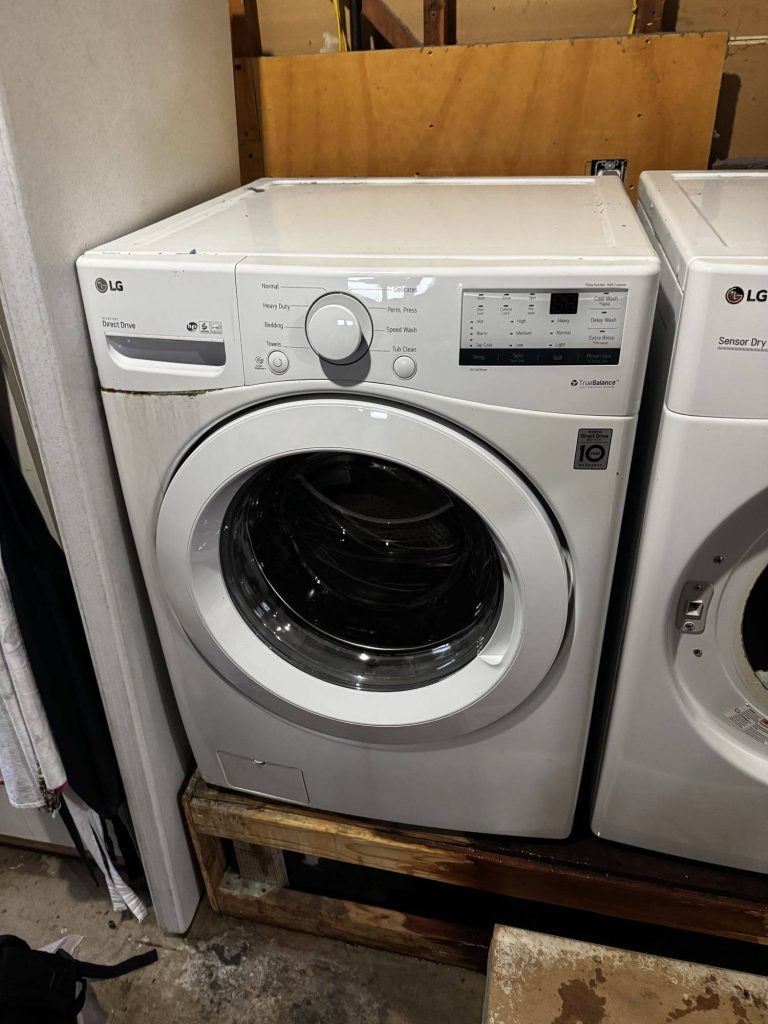
How the Cycle Normally Advances
Every wash program follows a sequence controlled by either a mechanical timer or an electronic control board. Once the wash portion is complete, the machine confirms that the water has drained properly before moving to the rinse cycle.
If any required signal is missing, the washer may remain on the wash stage indefinitely or stop completely.
Faulty Timer
Many Whirlpool washing machines use a timer to control each phase of the cycle.
As the timer rotates or advances electronically, it activates different components at the correct moment. If the timer becomes worn or develops internal electrical faults, it may fail to move beyond the wash stage.
Common signs of a failing timer include:
- The washer repeatedly stops at the same point.
- The rinse cycle never begins.
- The cycle knob does not advance.
- Some wash programs work while others do not.
- The machine resumes only after manual adjustment.
A defective timer cannot usually be repaired and is typically replaced.
Electronic Control Board Failure
Modern Whirlpool washers often rely on an electronic control board instead of a mechanical timer.
The control board receives information from multiple sensors and coordinates every function of the machine. If damaged by moisture, electrical surges, or failing electronic components, it may stop sending commands needed to begin the rinse cycle.
Control board failures can produce inconsistent symptoms, making proper diagnostic testing essential before replacement.
Drainage Problems
The washer cannot begin rinsing until all wash water has been removed.
If the drain pump is clogged, the drain hose is restricted, or debris blocks the filter, the control system may detect that water remains inside the drum and prevent the cycle from advancing.
Slow draining is often accompanied by standing water or unusually long pauses between cycle stages.
Water Level Pressure Switch Issues
The pressure switch monitors the amount of water inside the tub.
If the switch incorrectly reports that the drum is still full, the control system may continue waiting instead of starting the rinse cycle.
Blocked pressure hoses or a defective switch can both create this problem.
Door Lock Problems
The control board constantly monitors the door lock during operation.
If the lock mechanism becomes intermittent or fails to confirm that the door is securely closed, the machine may refuse to continue the cycle for safety reasons.
Door lock failures may occur without any obvious mechanical damage.
Wiring and Electrical Connections
Loose electrical connections can interrupt communication between the timer, sensors, drain pump, and control board.
Years of vibration may loosen connectors or damage wiring insulation, creating intermittent faults that are difficult to reproduce without proper testing.
Technicians often inspect wiring before replacing major components.
Why Early Repairs Matter
A washer that repeatedly becomes stuck during the wash cycle places unnecessary stress on multiple systems.
The drain pump may run longer than intended, electronic components can overheat, and incomplete wash cycles waste water, detergent, and electricity. Addressing the issue early often prevents additional repairs.
Professional Diagnosis
Because timer failures, control board faults, drainage restrictions, and sensor problems often produce similar symptoms, replacing parts without testing can become expensive.
Professional technicians use specialized diagnostic equipment to identify the exact cause before performing repairs, ensuring only faulty components are replaced.
If your Whirlpool washing machine won’t switch from the wash cycle to the rinse cycle, don’t continue restarting the program in hopes that the problem will disappear. Prompt diagnosis can prevent additional damage and restore reliable operation.
Contact the Service Center today for professional Whirlpool washing machine repair. Our experienced technicians will identify the source of the problem, perform dependable repairs using quality replacement parts, and get your washer working properly again.