
LG Refrigerator Fresh Food Compartment Develops Warm Spots — Possible Damper Control or Airflow Issues
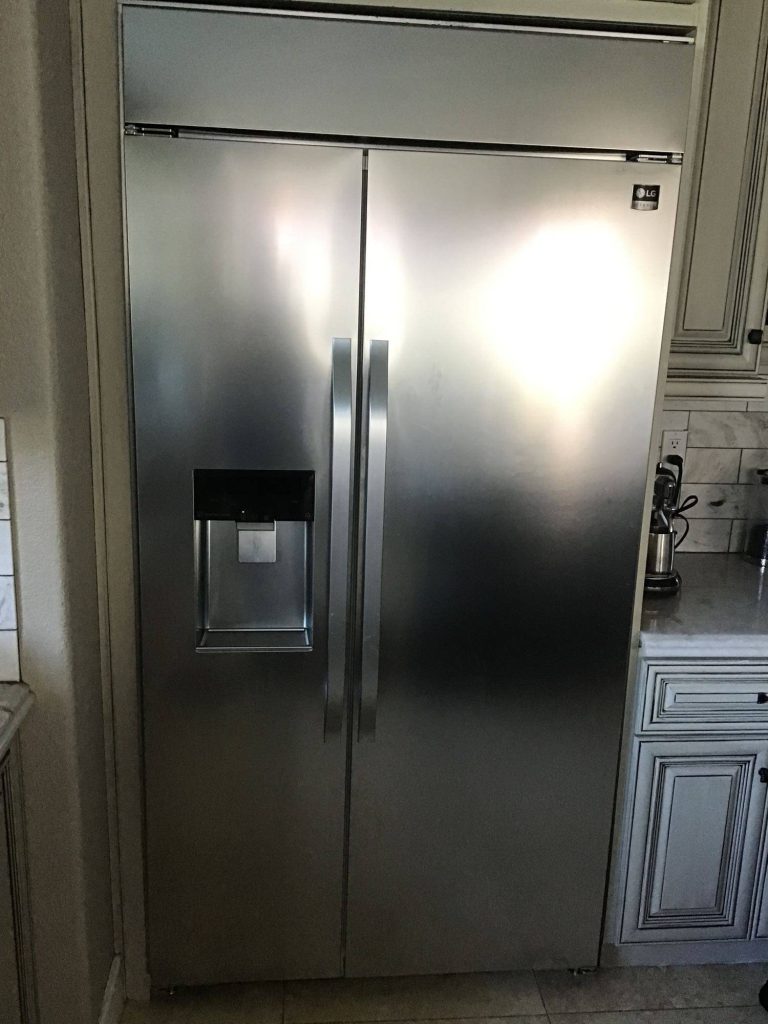
Your LG refrigerator may seem to be cooling normally at first glance, but certain areas inside the fresh food compartment feel noticeably warmer than others. Milk spoils faster on one shelf, vegetables lose freshness sooner than expected, or food stored near the back remains cold while items on the door or upper shelves become warm. These uneven temperatures are often caused by airflow problems rather than a complete cooling system failure.
One of the most common causes is a malfunctioning damper control, although blocked air passages, evaporator fan issues, or excessive frost buildup can produce similar symptoms. Identifying the source of the problem early helps maintain food safety and prevents additional damage to the refrigerator.
How Air Reaches the Fresh Food Compartment
In most LG refrigerators, cooling is generated in the freezer section. Cold air is then transferred into the fresh food compartment through an air damper.
The damper opens and closes automatically to regulate the amount of cold air entering the refrigerator. At the same time, the evaporator fan circulates air throughout both compartments to maintain consistent temperatures.
If either system fails, warm spots can develop even though the freezer continues operating normally.
Faulty Damper Control
A defective damper control is one of the most common causes of uneven refrigerator temperatures.
If the damper becomes stuck in the closed or partially closed position, not enough cold air reaches the fresh food compartment. Some shelves may remain adequately cooled while others become noticeably warmer.
Common signs of a faulty damper include:
- Warm areas inside the refrigerator.
- Proper freezer temperature.
- Inconsistent cooling between shelves.
- Food spoiling sooner than expected.
- Little or no airflow from refrigerator vents.
Damper failures may result from worn gears, electrical faults, or damaged actuators.
Blocked Air Vents
Cold air cannot circulate properly if the internal vents are obstructed.
Large food containers, tightly packed groceries, or plastic bags placed directly in front of air outlets may block airflow and create warm zones inside the refrigerator.
Keeping vents clear allows cold air to circulate evenly throughout the compartment.
Evaporator Fan Problems
The evaporator fan is responsible for moving cold air from the freezer into the refrigerator section.
If the fan motor weakens, becomes noisy, or stops operating altogether, airflow decreases significantly. Although the freezer may continue cooling for a period of time, the fresh food compartment often develops warm spots first.
A failing fan may also produce humming, clicking, or rattling sounds.
Frost Buildup on the Evaporator
Excessive frost on the evaporator coil can block airflow before the cold air reaches the refrigerator compartment.
This commonly occurs when the defrost heater, defrost sensor, or control board is not functioning correctly. As frost accumulates, airflow becomes increasingly restricted, leading to uneven temperatures.
Ignoring frost buildup can eventually affect both refrigerator and freezer performance.
Temperature Sensor Issues
LG refrigerators rely on temperature sensors to regulate cooling cycles.
If a sensor reports incorrect temperatures, the control board may reduce cooling prematurely or fail to open the damper when additional cold air is needed.
Faulty sensors can create inconsistent cooling without triggering obvious error codes.
Dirty Condenser Coils
Although located outside the refrigerator, dirty condenser coils can reduce overall cooling efficiency.
Dust and debris prevent heat from leaving the refrigeration system efficiently, making it more difficult to maintain stable temperatures throughout the appliance.
Regular coil cleaning helps improve performance and energy efficiency.
Why Early Repairs Matter
Warm spots inside the refrigerator are more than an inconvenience.
Food stored above safe temperatures may spoil more quickly, increasing waste and creating potential food safety concerns. Continued operation with restricted airflow can also place additional strain on the compressor and cooling system.
Addressing the problem early often prevents more extensive repairs.
Professional Diagnosis
Because warm spots may result from a faulty damper, blocked vents, evaporator fan failure, frost buildup, sensor problems, or restricted airflow, accurate diagnosis is essential.
Professional technicians inspect the complete air circulation and cooling system to determine the exact cause before replacing any components.
This approach ensures efficient, reliable repairs while avoiding unnecessary expenses.
If your LG refrigerator develops warm spots inside the fresh food compartment, don’t ignore the warning signs. Uneven temperatures often indicate an airflow or cooling problem that can worsen over time.
Contact the Service Center today for professional LG refrigerator repair. Our experienced technicians will identify the source of the problem, perform reliable repairs using quality replacement parts, and restore your refrigerator to consistent, dependable cooling.