
Samsung Oven Turns On but Doesn’t Heat — Possible Heating Element or Relay Failure
A Samsung oven that turns on normally but does not produce heat can be confusing. The display may light up, the controls may respond, and the oven may even appear to start a cooking cycle. However, if the temperature never rises, food remains cold or takes much longer to cook. This problem usually indicates a failure somewhere in the heating system rather than an issue with the display itself.
One of the most common causes is a damaged heating element. Samsung electric ovens typically use heating elements to generate the heat required for baking and roasting. Depending on the model and cooking mode, the oven may use a bake element, broil element, or both. When an element burns out, develops a crack, or loses electrical continuity, the oven can still turn on while failing to heat properly.
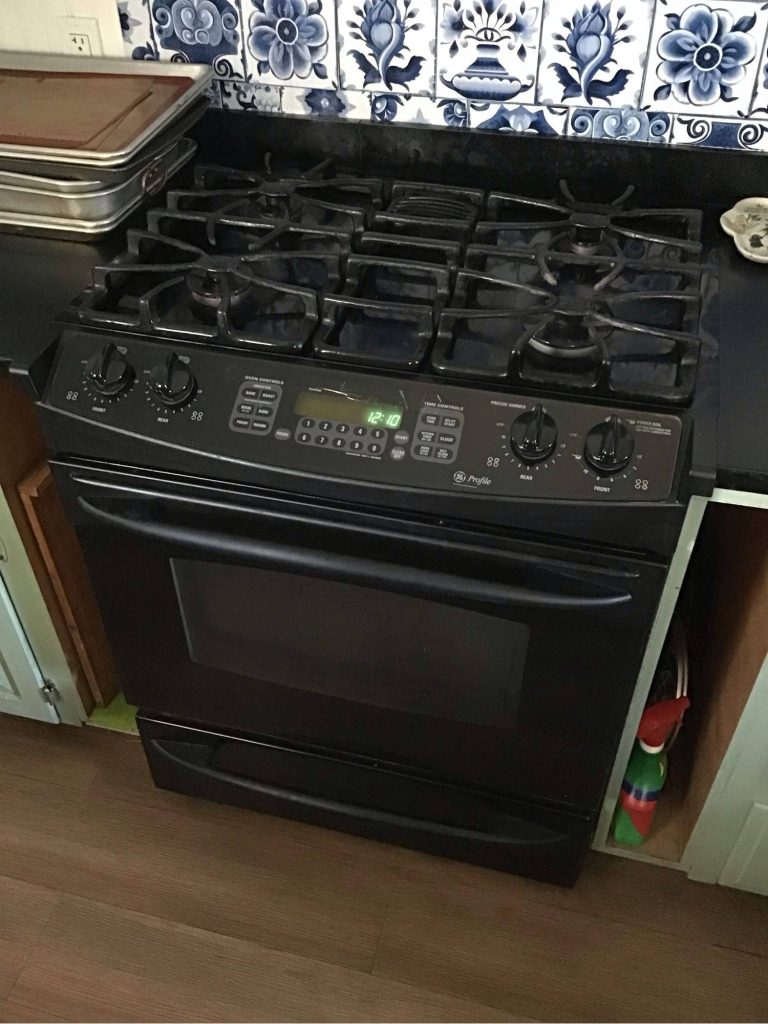
A faulty heating element may show visible signs of damage. You might notice a blistered area, a crack, discoloration, or a section that does not glow when the oven is operating. However, an element can also fail internally without showing obvious physical damage. For this reason, visual inspection alone cannot always confirm the problem.
Another possible cause is a failed relay on the electronic control board. Relays act as electrically controlled switches that send power to components such as the heating elements. When a relay becomes defective, the control board may receive commands correctly but fail to deliver voltage to the element.
Relay problems can develop because of normal wear, electrical surges, overheating, or repeated high-temperature operation. In some cases, the relay contacts become damaged or stuck. The oven may then appear to function normally from the user’s perspective while the heating circuit remains inactive.
A defective temperature sensor can also cause a Samsung oven to stop heating correctly. The sensor monitors the temperature inside the oven and sends information to the control system. If the sensor provides incorrect readings, the control board may incorrectly determine that the oven has already reached the desired temperature.
Other electrical problems should also be considered. A loose connection, damaged wiring, blown thermal fuse, or power supply problem can interrupt the circuit that supplies the heating elements. Some ovens can display lights and respond to the controls even when there is a problem affecting the heating circuit.
Before assuming that a major component has failed, check the cooking mode and temperature settings. Make sure the oven is set to a mode that should activate a heating element and that the temperature is set above the current oven temperature. If the oven has recently experienced a power outage or electrical interruption, resetting the appliance according to the manufacturer’s instructions may also be worth trying.
It is important to distinguish between normal preheating behavior and an actual heating failure. Samsung ovens generally require some time to reach the selected temperature. During normal operation, the heating elements cycle on and off to maintain temperature. If the oven remains cold after sufficient preheating time, however, there may be a component or electrical problem.
Testing the heating system requires caution because oven components can carry dangerous electrical voltage even when the appliance appears to be turned off. A technician can test the heating element for continuity, inspect wiring and terminals, check the temperature sensor, and determine whether the control board is sending the correct voltage to the heating circuit.
If the heating element is defective, replacement may restore normal oven operation. If testing shows that the element itself is functional, the technician can continue checking the relay, control board, wiring, and other components responsible for delivering power to the heater. Proper diagnosis is important because replacing a working element will not solve a problem caused by the control system.
There are also situations where an oven heats unevenly rather than remaining completely cold. For example, if the bake element fails while the broil element still operates, the oven may become warm but struggle to maintain the correct baking temperature. This can result in undercooked food, unusually long cooking times, or inconsistent results.
Continuing to use an oven with a suspected electrical or heating-system failure is not recommended. Repeated attempts to operate an appliance with damaged wiring, faulty relays, or overheating components can create additional problems. If you notice burning odors, sparks, smoke, unusual sounds, or signs of electrical damage, stop using the oven and arrange for professional inspection.
A Samsung oven that turns on but does not heat should be diagnosed based on its specific symptoms and model. The heating element is one possible cause, but the relay, control board, sensor, wiring, thermal protection components, or power supply may also be responsible.
If your Samsung oven turns on but stays cold, contact the Service Center for professional appliance repair. A technician can identify the failed component, explain the repair needed, and restore the oven’s heating function safely.
Call the Service Center today to schedule Samsung oven repair and get your appliance heating properly again.