
GE Gas Range Oven Shuts Off Before Reaching the Set Temperature — Possible Igniter or Control Board Issues
A GE gas range oven that shuts off before reaching the selected temperature can turn a routine cooking task into a frustrating problem. The oven may begin heating normally, but after several minutes the burner stops and the interior never reaches the temperature shown on the control panel. In some cases, the oven eventually heats after several attempts; in others, it remains significantly cooler than expected.
Temperature fluctuations are normal during an oven’s operation because the burner cycles on and off to maintain the selected setting. The problem occurs when the burner shuts off too early, fails to reignite, or the control system incorrectly determines that the desired temperature has already been reached. Several components can cause this behavior, including the gas igniter, temperature sensor, electronic control board, and, in some situations, the gas safety valve.
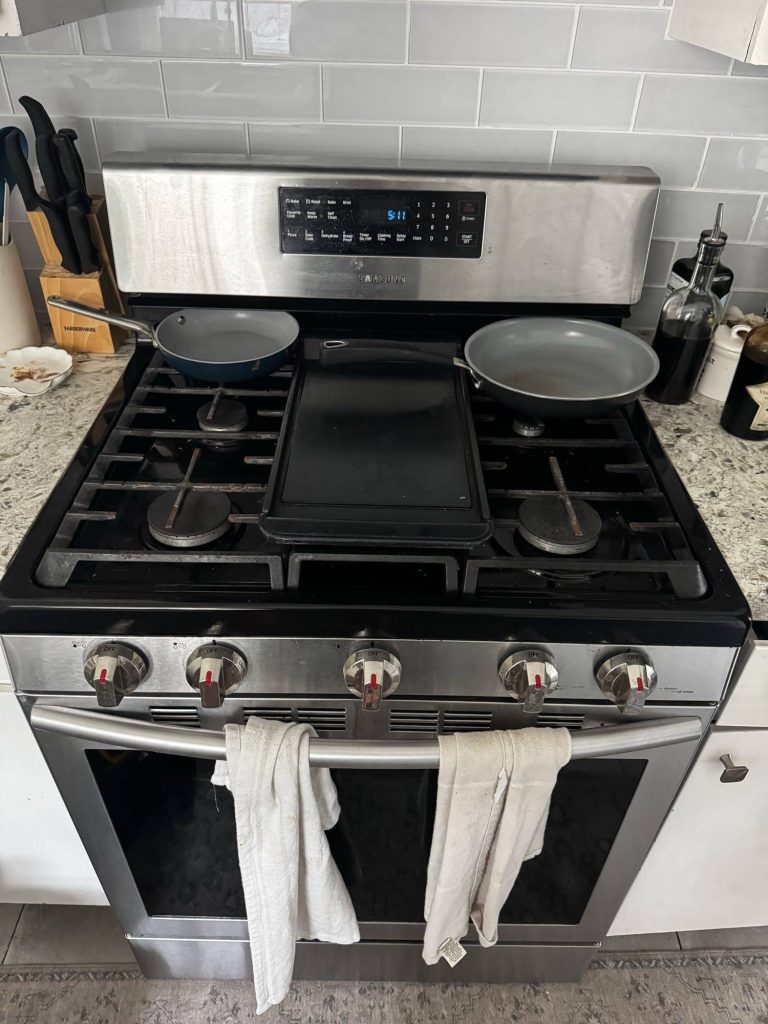
How a GE Gas Oven Normally Maintains Temperature
When you select a temperature on a GE gas range, the electronic control system activates the ignition process. The igniter heats up until the gas valve can safely open and allow gas to reach the burner. Once the burner ignites, the oven begins increasing in temperature.
A temperature sensor continuously monitors the heat inside the oven cavity. When the selected temperature is reached, the control system turns the burner off. As the oven cools, the system should activate the ignition sequence again to maintain a relatively stable temperature.
If one of these components sends incorrect information or fails during the heating cycle, the oven can shut down before reaching the selected temperature. The result may be undercooked food, extended cooking times and noticeable temperature differences between the control setting and the actual oven temperature.
A Weak Igniter Can Interrupt the Heating Cycle
The igniter is one of the most important components in a gas oven’s ignition system. It must become sufficiently hot to allow the gas valve to open and the burner to ignite correctly. An igniter can deteriorate over time and still appear to work while no longer producing enough heat for reliable ignition.
A weakened igniter may cause the oven to heat intermittently. You might hear the ignition sequence begin, see the burner operate briefly, and then notice that the oven stops heating. The problem can become more noticeable after the range has been operating for some time because a failing component may perform differently as it heats up.
Replacing an igniter is often more straightforward than replacing an electronic control board, but the correct diagnosis matters. A technician needs to determine whether the igniter is receiving the proper electrical supply and whether it reaches the required operating temperature.
Temperature Sensor Problems Can Cause Incorrect Cycling
The oven temperature sensor is responsible for monitoring the temperature inside the cavity. If the sensor is damaged, improperly positioned or providing inaccurate resistance readings, the control system may receive incorrect information.
For example, the oven may actually be at 325°F while the sensor or control system interprets the temperature as being significantly higher. The burner can then shut off even though the oven has not reached the temperature selected by the user.
A faulty sensor can also contribute to large temperature swings. Food may take considerably longer to cook, baked goods may turn out unevenly, or recipes that depend on precise temperatures may consistently fail.
Electronic Control Board Failure
The electronic control board coordinates several functions of a modern GE gas range, including ignition, burner cycling and temperature regulation. If the board develops an electrical fault, it may stop sending the correct signals to the ignition system.
A failing control board can produce symptoms that are difficult to distinguish from problems with other components. The oven may heat inconsistently, shut down unexpectedly, display unusual behavior on the control panel or fail to restart the burner when the temperature drops.
Because the control board interacts with multiple components, replacing it without testing the rest of the system can result in unnecessary expense. Professional troubleshooting can help determine whether the board is actually responsible for the problem.
Gas Safety Valve and Burner Issues
The gas safety valve is another component that can affect oven heating. The valve must open correctly when the ignition system reaches the required conditions. If the valve is weak or defective, the burner may fail to ignite or may not receive the gas flow required for stable operation.
Burner ports can also become contaminated with food residue or debris. Restricted gas flow may produce an uneven flame or prevent the burner from operating correctly. These problems require careful inspection because gas appliances involve both electrical and fuel systems.
What You Can Check Safely
Before arranging a repair, check whether the problem occurs at different temperature settings. If the oven consistently stops heating well below the selected temperature, make a note of the approximate temperature at which this happens.
You can also check whether the oven heats at all, whether the burner ignites normally at the beginning of a cycle and whether the control panel shows an error code. Avoid disassembling the gas range or attempting to adjust gas components yourself. Electrical and gas-related repairs should be handled by a qualified appliance technician.
An inexpensive oven thermometer can also help confirm whether the cavity is actually reaching the selected temperature. Keep in mind that an oven naturally cycles within a temperature range, so a single momentary temperature reading does not necessarily indicate a fault.
When Professional GE Gas Range Repair Is Needed
If your GE gas range repeatedly shuts off before reaching the selected temperature, continued use can lead to unreliable cooking and may indicate a component that needs attention. A technician can inspect the igniter, temperature sensor, burner assembly, safety valve and electronic control system to identify the source of the failure.
Proper diagnosis is particularly important when the oven heats initially but stops working during the cycle. That pattern can point toward an ignition, sensing or control problem rather than a simple setting issue.
If your GE gas range oven is not maintaining the correct temperature, contact Service Center to schedule appliance repair. A professional technician can diagnose the heating system, identify the defective component and recommend the appropriate repair.
Service Center — contact us today to arrange GE gas range oven service and restore reliable heating.