
Frigidaire Induction Cooktop Fan Won’t Turn Off — Possible Cooling System or Control Board Problems
A Frigidaire induction cooktop fan that continues running after cooking has finished may be performing a normal cooling function. Induction cooktops generate heat in their electronic components during operation, and an internal cooling fan helps regulate their temperature. However, if the fan runs for an unusually long time, operates when the cooktop is completely cool, or never stops between uses, the appliance may have a cooling system or control board problem.
Understanding the difference between normal fan operation and a potential malfunction can help prevent unnecessary repairs and identify issues before they affect the cooktop’s performance. Several components can contribute to continuous fan operation, including temperature sensors, ventilation passages, and electronic controls.
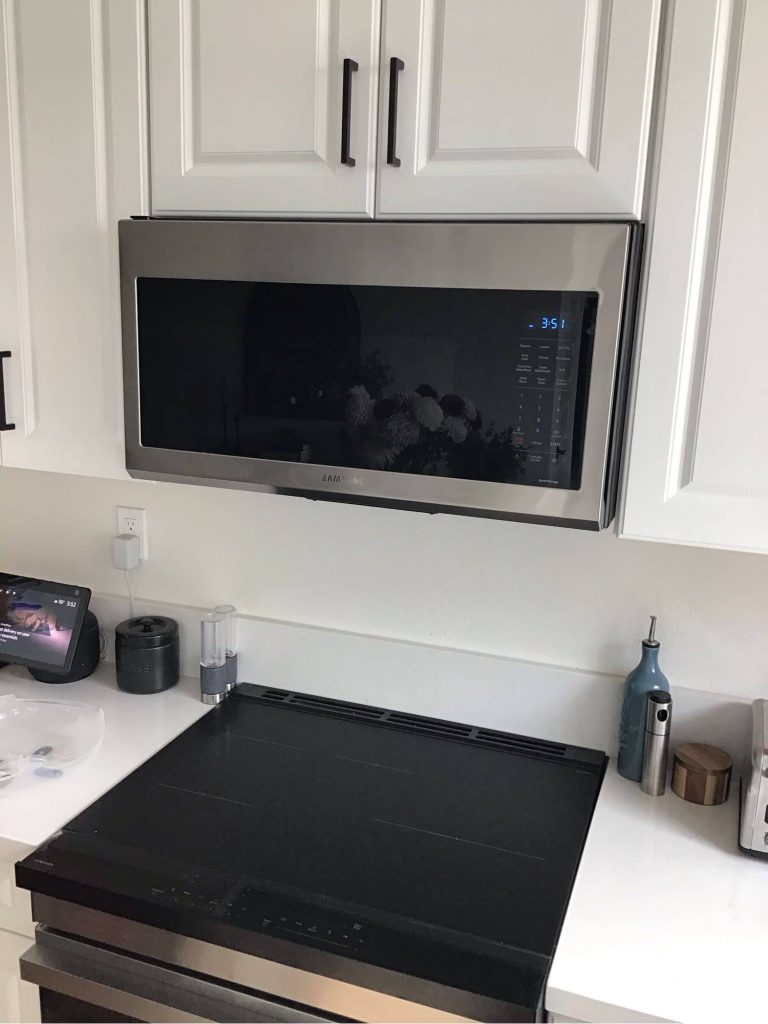
Normal Cooling After Cooking
Before assuming that something is broken, consider how induction cooktops manage heat. Unlike traditional electric cooktops, induction models use electromagnetic energy to heat compatible cookware directly. Nevertheless, the internal electronics, power components, and surrounding surfaces can become warm during cooking.
The cooling fan helps remove heat from sensitive components. After the cooking zones are switched off, the fan may continue running until the internal temperature falls to an acceptable level. The duration depends on the cooking temperature, how long the cooktop was used, the installation conditions, and the specific model.
For example, preparing several dishes at high power may leave the electronics warmer than a short, low-temperature cooking session. In that situation, the fan may operate for some time after the controls have been switched off.
Check the owner’s manual for your Frigidaire model to understand its cooling behavior. If the fan eventually stops and the cooktop operates normally, continued operation after cooking may be entirely expected.
However, a fan that runs continuously for hours after the appliance has cooled, starts when the cooktop has not been used, or operates alongside error codes may require professional diagnosis.
Blocked Ventilation or Restricted Airflow
Restricted airflow is one possible reason an induction cooktop’s cooling fan appears to run constantly. The fan must move air through designated intake and exhaust passages to remove heat effectively. If these passages become obstructed, cooling may take longer than usual.
Dust, grease, accumulated debris, or an installation that does not provide the required ventilation clearance can interfere with airflow. Cabinet modifications or objects stored too close to ventilation openings may also affect cooling, depending on the cooktop’s design.
When airflow is restricted, internal components may remain warm for longer periods. The temperature monitoring system may consequently keep the fan running to protect the electronics.
Inspect accessible ventilation openings for visible obstructions and clean external surfaces according to the manufacturer’s instructions. Make sure the installation meets the clearance requirements specified in the manual.
Do not remove the cooktop from the countertop or dismantle its housing to reach internal passages. If the ventilation openings are clear but the fan continues running abnormally, a technician should inspect the cooling system and installation.
Faulty Temperature Sensor
Temperature sensors provide information that helps the cooktop regulate internal heat. Depending on the model, sensors monitor temperatures around critical electronic components and communicate with the control system.
If a sensor develops a fault or reports inaccurate readings, the cooktop may interpret normal temperatures as excessive. The cooling fan can then continue running even when the appliance has already cooled down.
Other symptoms may include unexpected fan activation, error codes, irregular operation, or the cooktop interrupting a cooking session.
A technician can test the relevant temperature sensors, inspect their wiring, and compare the readings with the manufacturer’s specifications. If a sensor is defective, replacing it may restore normal fan control.
However, a sensor should not be replaced based on symptoms alone. A genuine overheating problem, restricted airflow, or a control board fault can produce similar behavior. Proper testing helps prevent unnecessary parts replacement.
Control Board Malfunction
The electronic control board manages many of the cooktop’s functions, including power delivery, temperature monitoring, and cooling fan operation. If the board develops an electrical fault or a component begins malfunctioning, the fan may receive an incorrect command to remain on.
A control board issue becomes more likely when the fan continues running despite the cooktop being cool and ventilation being unobstructed. Additional warning signs may include unresponsive touch controls, flashing indicators, unexpected shutdowns, or error messages.
Electrical damage, component deterioration, or a problem with a connection may interfere with the board’s ability to interpret temperature information correctly.
Diagnosing a control board problem requires more than observing the fan. A qualified technician can examine the relevant connections, test the cooling circuit, and determine whether the board is sending the correct signals.
Depending on the findings, the repair may involve correcting a connection, replacing a faulty component, or installing a replacement control board. The exact solution depends on the cooktop model and the condition of its electronics.
Cooling Fan Motor or Relay Problems
The fan itself may also be responsible for continuous operation. A worn motor, damaged wiring, or a malfunctioning switching component can prevent the fan from operating as intended.
In some designs, a relay or electronic switching circuit controls power to the fan. If the switching component remains closed when it should turn off, the fan may continue running even when cooling is no longer necessary.
Listen for changes in the fan’s sound. Grinding, rattling, intermittent operation, or unusual vibration may indicate a mechanical problem. A fan that runs smoothly but never stops may point toward a control issue, although the sound alone cannot confirm the cause.
A technician can check the motor, power supply, wiring, and switching circuit to determine which component requires attention.
What to Do When the Fan Won’t Turn Off
If the fan continues running longer than expected, allow the cooktop to cool and consult the manufacturer’s instructions. Check accessible ventilation openings and note whether the fan eventually stops.
If the fan runs continuously while the cooktop is cold, the controls behave abnormally, or error messages appear, arrange a professional inspection. If you notice a burning smell, smoke, unusual electrical noises, or signs of overheating, stop using the appliance. Disconnect power only if it is safe to do so, following the manufacturer’s guidance.
Avoid opening the cooktop or attempting electrical repairs yourself. Induction appliances contain high-voltage electronic components that can present serious hazards.
Professional Frigidaire Induction Cooktop Repair
A Frigidaire induction cooktop fan that will not turn off may have a normal cooling delay, restricted ventilation, a faulty temperature sensor, a defective fan motor, or a control board problem. Correct diagnosis is necessary to distinguish expected operation from a component failure.
The Service Center provides professional appliance repair services to help identify cooling system and electronic control problems. A technician can inspect the fan, assess ventilation, test temperature sensors, and evaluate the control circuitry before recommending a repair.
Addressing persistent fan operation early can help prevent unnecessary wear and identify underlying cooling problems before they affect other components.
Is your Frigidaire induction cooktop fan running continuously? Contact the Service Center to schedule a professional inspection and repair. Get the cause identified and restore reliable cooktop operation.