
Whirlpool Microwave Overheats During Use — Possible Cooling Fan or Temperature Sensor Problems
A Whirlpool microwave that overheats during use may have a problem with its cooling fan, temperature sensor, ventilation system, or internal electrical components. While microwaves are designed to generate heat inside the cooking chamber, excessive heat around the cabinet, control panel, or exterior surfaces can indicate a malfunction. Ignoring these symptoms may lead to unexpected shutdowns, damaged components, or a potential safety hazard.
Microwave ovens use several systems to regulate temperature and remove heat generated during operation. The magnetron produces the microwave energy that heats food, while fans circulate air and help cool internal components. Temperature sensors and protective devices monitor operating conditions and may interrupt operation if temperatures become excessive.
When one of these systems fails, the microwave may become unusually hot, stop working during a cooking cycle, or display inconsistent performance. Understanding the possible causes can help homeowners recognize when professional Whirlpool microwave repair is necessary.
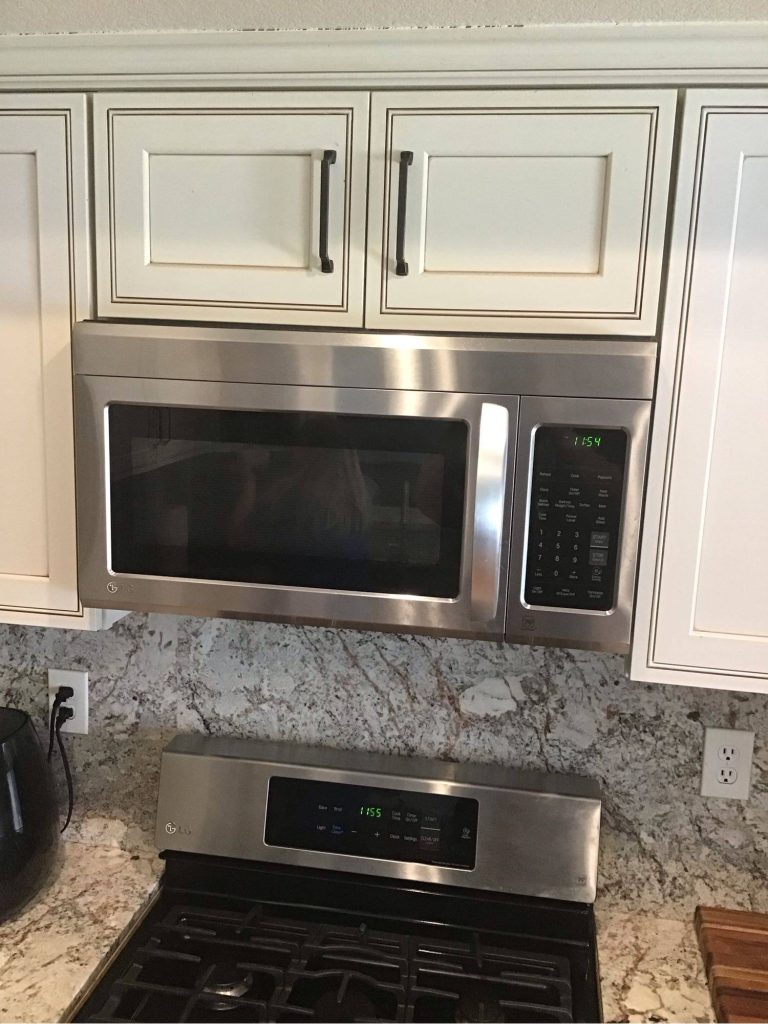
Cooling Fan Malfunction
The cooling fan is one of the primary components responsible for preventing excessive heat buildup inside a Whirlpool microwave. During operation, it moves air through designated passages to help cool the magnetron and other heat-sensitive components.
If the fan motor becomes worn, the fan blades become obstructed, or the electrical connection fails, airflow may decrease or stop completely. As a result, heat can accumulate inside the appliance even when the microwave appears to be functioning normally.
Common warning signs include unusual humming, grinding, rattling, or a noticeable change in airflow from the ventilation openings. Some models may also shut down unexpectedly if internal temperatures rise beyond their permitted limits.
Dust and grease can accumulate around external ventilation openings, particularly when the microwave is installed above a cooking range. Restricted airflow can make cooling less effective, although internal fan failures require a more detailed inspection.
Keep the exterior ventilation openings clear and follow the manufacturer’s cleaning instructions. If the microwave continues to overheat, stop using it and contact a qualified appliance repair technician. Accessing the cooling fan requires opening the appliance, which can expose dangerous electrical components.
Faulty Temperature Sensor
Temperature sensors help monitor heat levels inside the microwave or around specific internal components, depending on the model. The control system uses this information to regulate operation and activate protective measures when necessary.
If a sensor becomes defective, develops an electrical fault, or provides inaccurate readings, the microwave may respond incorrectly to changing temperatures. A sensor that fails to detect excessive heat could allow components to become hotter than intended. Conversely, a sensor that reports unusually high temperatures may cause premature shutdowns or interrupt cooking cycles.
Possible symptoms include repeated shutdowns, inconsistent operation, unusual error codes, or the appliance stopping after only a short period of use.
Diagnosing a sensor problem requires checking the relevant component, its wiring, and the control system. A technician may use electrical testing equipment and the manufacturer’s service documentation to determine whether the sensor is operating within the specified range.
Replacing a temperature sensor without confirming the fault may not solve the overheating problem, especially if restricted airflow or another component is responsible.
Blocked Ventilation Openings
Proper ventilation is essential for safe microwave operation. Whirlpool models require sufficient clearance around their designated air intake and exhaust openings. When these openings become blocked, heat cannot dissipate as intended.
Grease buildup, dust, objects placed too close to the appliance, or incorrect installation can restrict airflow. Built-in and over-the-range microwaves are particularly sensitive to installation requirements because their ventilation arrangements differ by model.
Check whether external vents are obstructed and make sure the appliance has the clearances specified in its installation manual. Clean accessible surfaces as directed by the manufacturer, but do not remove the microwave’s outer cover.
If the appliance remains unusually hot after external obstructions have been removed, the problem may involve the internal fan, ducting, or another cooling component. Professional inspection can help identify the restriction and determine the appropriate repair.
Defective Thermal Protection Components
Whirlpool microwaves incorporate protective components designed to interrupt operation when temperatures exceed specified limits. Depending on the model, these may include thermal cutoffs, thermostats, or other temperature-sensitive devices.
If a protective component fails, the microwave may shut down unexpectedly, refuse to restart until it cools, or behave inconsistently during longer cooking cycles.
However, a thermal cutoff that repeatedly activates may be responding correctly to an underlying problem. For example, a failing cooling fan or restricted ventilation may cause temperatures to rise until the protection system interrupts power.
Simply replacing the thermal protection component without identifying the reason for overheating can result in recurring failures. A technician should inspect the cooling system and related electrical components before determining which parts need replacement.
Control Board or Electrical Problems
The electronic control board coordinates several microwave functions, including cooking duration, power settings, and responses to sensor signals. An electrical fault, damaged connection, or defective control component can interfere with normal operation.
In some cases, overheating may occur alongside irregular display behavior, unresponsive buttons, interrupted cycles, or unexpected shutdowns. These symptoms do not automatically indicate a control board failure, since sensor and cooling problems can produce similar results.
Electrical diagnosis may involve checking wiring connections, testing components, and evaluating control signals according to the manufacturer’s procedures. Because microwave ovens contain high-voltage circuitry, these tasks should be performed by a trained professional.
Never attempt to inspect or repair internal microwave components yourself. The high-voltage capacitor can retain a dangerous electrical charge even after the appliance has been unplugged.
What to Do If Your Whirlpool Microwave Overheats
If your microwave becomes unusually hot, produces a burning smell, emits smoke, or makes abnormal noises, stop using it immediately. Disconnect power only if you can do so safely, without touching a hot or damaged appliance. If there is smoke or fire, keep the door closed, stay clear, and contact emergency services if necessary.
Do not continue running the microwave to see whether the problem disappears. Repeated operation may worsen damage to the cooling system or electrical components.
Note when the overheating occurs, whether the fan appears to operate normally, and whether the microwave shuts down during longer cooking cycles. This information can help a technician narrow down the potential causes.
Professional Whirlpool Microwave Repair
A Whirlpool microwave that overheats may need a cooling fan replacement, temperature sensor repair, ventilation correction, or electrical component diagnosis. Since several faults can produce similar symptoms, accurate testing is essential before replacing parts.
The Service Center provides professional appliance repair services to help identify microwave overheating problems. A technician can inspect the cooling system, evaluate temperature-related components, and determine the repairs needed to restore safe operation.
Prompt attention can help prevent additional component damage and reduce the risk of repeated breakdowns.
Is your Whirlpool microwave overheating during use? Contact the Service Center to schedule a professional inspection and repair. Get the problem diagnosed before continued operation causes further damage.