
Bosch Induction Cooktop One Zone Is Stuck at High Heat — Possible Power Module or Control Board Failure
A Bosch induction cooktop that keeps one cooking zone at high heat can create a serious cooking and safety problem. If you lower the power setting but the burner continues heating strongly, or the zone remains hot after you turn it off, the cooktop may have an electrical or control-system fault.
Induction cooktops use electronic components to regulate heat rather than traditional heating elements. The control system communicates with a power module that controls the energy supplied to the induction coil. When one of these components fails, a single zone may become stuck at a high power level.
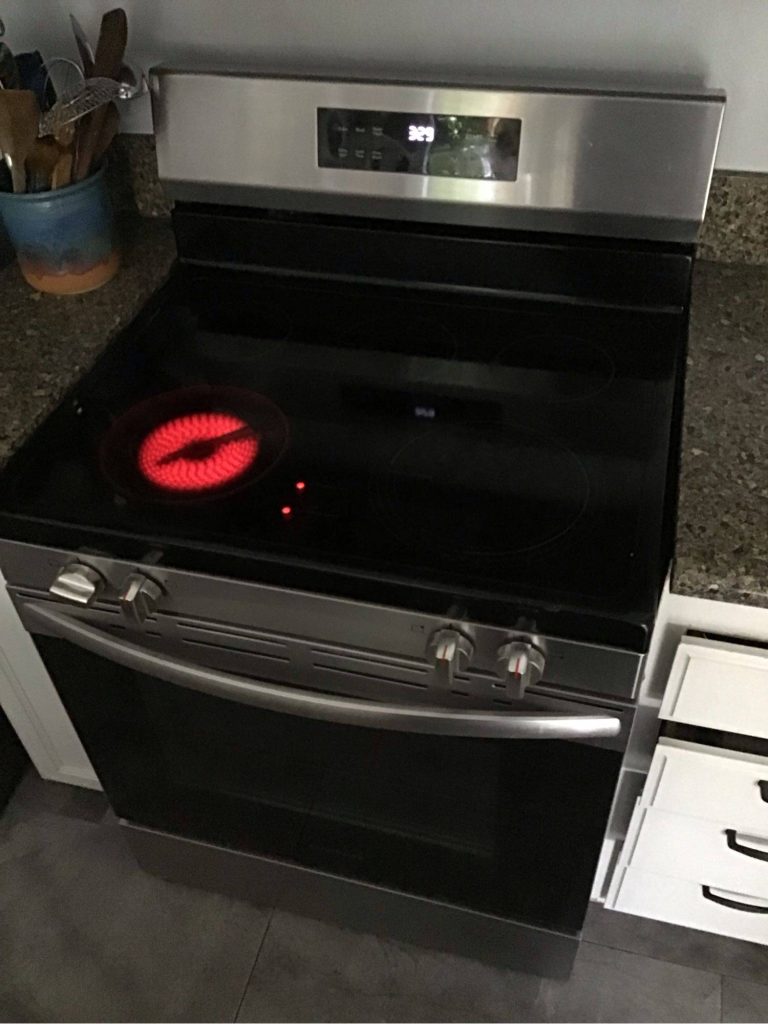
What Should Happen When You Change the Heat Setting?
When you select a power level on a Bosch induction cooktop, the control electronics determine how much energy should be delivered to the induction coil. The power module then switches the electrical supply according to the selected setting.
For example, if you reduce a zone from a high setting to a low setting, the electronics should immediately adjust the power output. If you switch the zone off, heating should stop.
When the zone ignores these commands, the problem is usually related to the electronics responsible for controlling that specific cooking zone.
A Failed Power Module Can Cause Continuous Heating
The power module is one of the main components responsible for controlling the induction coils. Depending on the Bosch cooktop model, it may contain power transistors and other electronic components that regulate current.
If a component on the power module fails, the affected zone may receive incorrect power. This can cause symptoms such as:
- One zone staying at maximum or unusually high heat
- Heat level not responding correctly to touch controls
- A zone continuing to heat after the setting is reduced
- The zone behaving differently from the other burners
- Error codes appearing during operation
- The cooktop shutting down or restarting unexpectedly
A power module problem requires electrical testing because several components can produce similar symptoms.
Control Board Problems Are Another Possibility
The control board processes commands from the touch panel and coordinates different functions of the cooktop. If the board develops a fault, it may send incorrect instructions to the power module.
In some cases, the touch panel appears to work normally. You may be able to change the displayed heat setting, but the actual temperature or power output does not change accordingly.
This distinction is important. If the display responds correctly while the cooking zone continues operating at high power, the problem may be deeper in the power-control circuitry rather than with the touch panel itself.
Why Only One Zone May Be Affected
It is possible for one induction zone to malfunction while the others continue working normally. Bosch cooktops can have separate control paths or power components for different zones.
If three zones work correctly and only one remains at high heat, that information can help a technician narrow down the problem.
A single-zone failure can point toward a localized issue involving the corresponding induction coil, power module, wiring, or control circuitry.
Other Problems Should Be Ruled Out
Not every unusual heating problem automatically means that the control board has failed. A technician should inspect the cooktop and verify the actual fault before replacing expensive electronic components.
Depending on the model and symptoms, the inspection may include checking the induction coil, wiring connections, temperature sensors, power module, control board, and error codes.
A power interruption or electronic reset may sometimes temporarily change the behavior, but repeated problems indicate that the cooktop needs further diagnosis.
Avoid Continuing to Use a Zone That Will Not Regulate Heat
If one zone remains at high heat despite your attempts to lower or switch it off, avoid using that zone until the problem has been diagnosed.
Induction cooktops rely on electronic switching components to regulate electrical power. A malfunctioning component can cause unpredictable operation, excessive heating, or additional damage to the appliance.
If the cooktop does not respond normally to the controls, disconnecting power according to the manufacturer’s safety instructions may be appropriate until professional service is available. Do not open the cooktop yourself unless you are qualified to work with electrical appliances.
Professional Diagnosis Can Prevent Unnecessary Part Replacement
A Bosch induction cooktop contains several interconnected electronic components. Replacing the control board or power module without testing can result in unnecessary expense if another component is actually responsible for the problem.
A qualified appliance technician can inspect the affected zone, test the relevant electrical components, check connections, and determine whether the power module, control board, sensor, or another part requires repair or replacement.
The exact repair depends on the Bosch model and the symptoms observed during testing.
When to Schedule Service
Professional service is recommended if one induction zone repeatedly stays at high heat, ignores power-level adjustments, does not switch off correctly, or behaves differently from the other zones.
Prompt diagnosis can also help identify electrical problems before they cause further damage to the cooktop.
If your Bosch induction cooktop has one zone stuck at high heat, contact Service Center to arrange an appliance inspection. A technician can diagnose the problem and determine the appropriate repair for your cooktop.
Call Service Center today to schedule Bosch induction cooktop repair and get the faulty cooking zone properly diagnosed.