
GE Gas Range Oven Ignites but the Burner Shuts Off After a Few Minutes — Possible Igniter or Gas Safety Valve Issues
A GE gas range oven should maintain a steady flame throughout the entire cooking cycle. After the burner ignites, it should continue heating until the selected temperature is reached and then cycle on and off as needed to maintain that temperature. If the oven lights normally but the burner shuts off after only a few minutes and fails to reignite properly, there is likely a fault in the ignition or gas delivery system.
This problem can lead to uneven cooking, longer baking times, and inconsistent oven temperatures. The most common causes include a weak igniter, a faulty gas safety valve, temperature sensor problems, or electronic control issues. Prompt diagnosis helps prevent further damage and restores reliable oven performance.
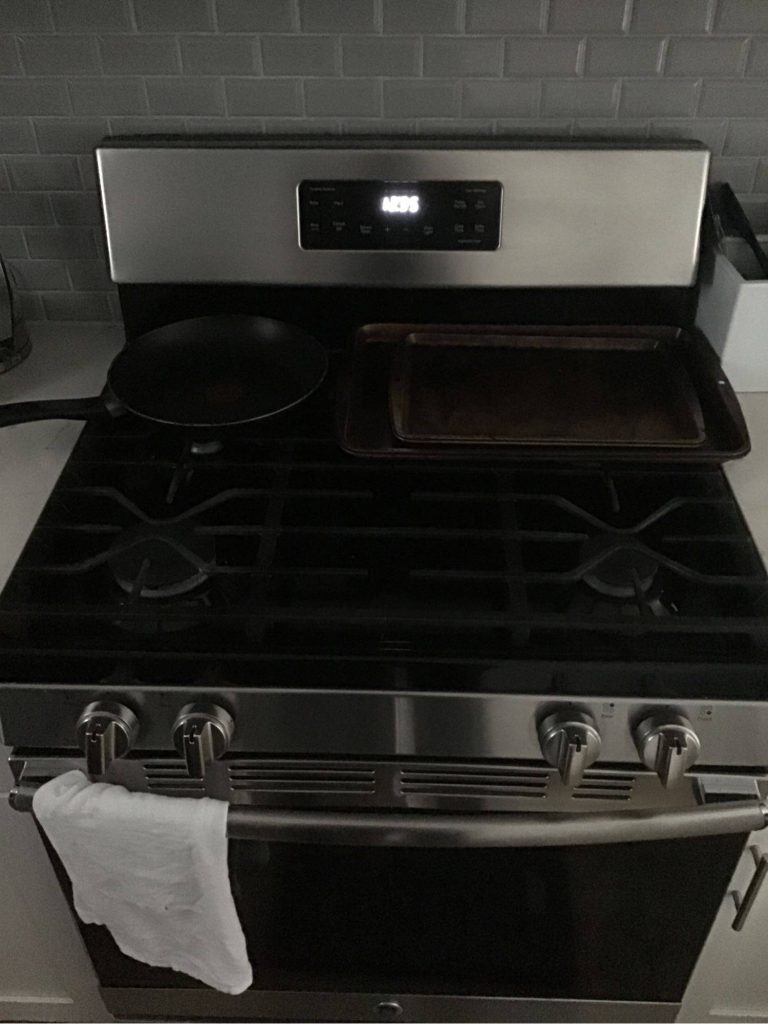
How the Ignition System Works
When a baking cycle begins, the oven control sends power to the igniter. As the igniter heats up, it draws enough electrical current to open the gas safety valve. Gas then flows to the burner, where it is ignited by the hot igniter.
Once the desired temperature is reached, the burner cycles on and off under the control of the oven thermostat or electronic control board. Every time the burner needs to relight, the igniter and gas valve must operate correctly.
Weak Oven Igniter
A worn igniter is one of the most common reasons a burner shuts off shortly after ignition.
Although the igniter may still glow and light the burner, it can weaken over time. A weak igniter may no longer draw enough current to keep the gas safety valve operating correctly during repeated heating cycles.
Common signs of a failing igniter include:
- The burner ignites slowly.
- The flame shuts off unexpectedly.
- Long preheating times.
- Uneven oven temperatures.
- Intermittent heating during baking.
Since igniters gradually wear with use, replacement is often the most effective solution.
Faulty Gas Safety Valve
The gas safety valve controls the flow of gas to the burner.
If the valve develops internal electrical or mechanical faults, it may close unexpectedly after ignition or fail to reopen during temperature cycling. As a result, the burner extinguishes even though the oven control continues calling for heat.
Gas valve failures require professional testing because similar symptoms can also be caused by a weak igniter.
Temperature Sensor Problems
The oven temperature sensor continuously monitors the temperature inside the cavity.
If it reports incorrect readings, the control system may mistakenly believe the oven has already reached the desired temperature and shut off the burner too early.
A defective sensor often causes inconsistent baking results and inaccurate temperature regulation.
Electronic Control Board Failure
Modern GE gas ranges rely on an electronic control board to manage ignition and temperature control.
If the board fails to send proper signals to the igniter or gas valve, the burner may ignite normally but shut off prematurely or fail to restart when additional heat is required.
Control board failures can produce intermittent symptoms that require specialized diagnostic equipment.
Gas Supply Problems
Although less common, inconsistent gas pressure can also affect burner operation.
A partially restricted gas line, failing regulator, or supply issue may provide enough gas for initial ignition but not enough to maintain a stable flame throughout the cooking cycle.
Gas supply issues should always be inspected by qualified technicians.
Burner Assembly Issues
Food debris, grease buildup, or burner damage can interfere with proper flame distribution.
An unstable flame may extinguish unexpectedly, especially if gas flow becomes uneven across the burner. Cleaning and inspecting the burner assembly is an important part of diagnosing heating problems.
Why Prompt Repairs Matter
An oven that repeatedly loses its flame cannot maintain accurate cooking temperatures.
Meals may cook unevenly, baking times become unpredictable, and repeated ignition attempts place additional strain on the igniter and gas valve. Addressing the issue early often prevents more extensive repairs and restores safe, reliable operation.
Professional Diagnosis
Because weak igniters, faulty gas safety valves, temperature sensors, burner problems, and electronic control failures can all produce similar symptoms, replacing parts without proper testing may not solve the problem.
Professional technicians inspect the complete ignition system, measure igniter current, test the gas safety valve, and verify temperature control before recommending repairs.
If your GE gas range oven ignites but the burner shuts off after a few minutes, don’t ignore the problem. Prompt diagnosis can restore consistent heating, improve cooking performance, and help prevent additional component failures.
Contact the Service Center today for professional GE gas range repair. Our experienced technicians will identify the exact cause of the problem, perform reliable repairs using quality replacement parts, and restore your oven to dependable operation.