
GE Washing Machine Drum Rotates Slowly During Wash Cycle — Possible Transmission or Motor Control Problems
A GE washing machine is designed to rotate the drum at different speeds throughout the wash program. During the wash cycle, the drum should move steadily to distribute detergent, agitate the laundry, and ensure every item is cleaned properly. If the drum rotates much more slowly than normal, struggles to maintain speed, or pauses between movements, the washer may have a mechanical or electrical problem that requires attention.
Although an overloaded drum can sometimes reduce performance, slow drum rotation that occurs repeatedly often points to a worn transmission, motor control failure, or another component affecting the drive system. Prompt diagnosis helps prevent additional damage and keeps repair costs under control.
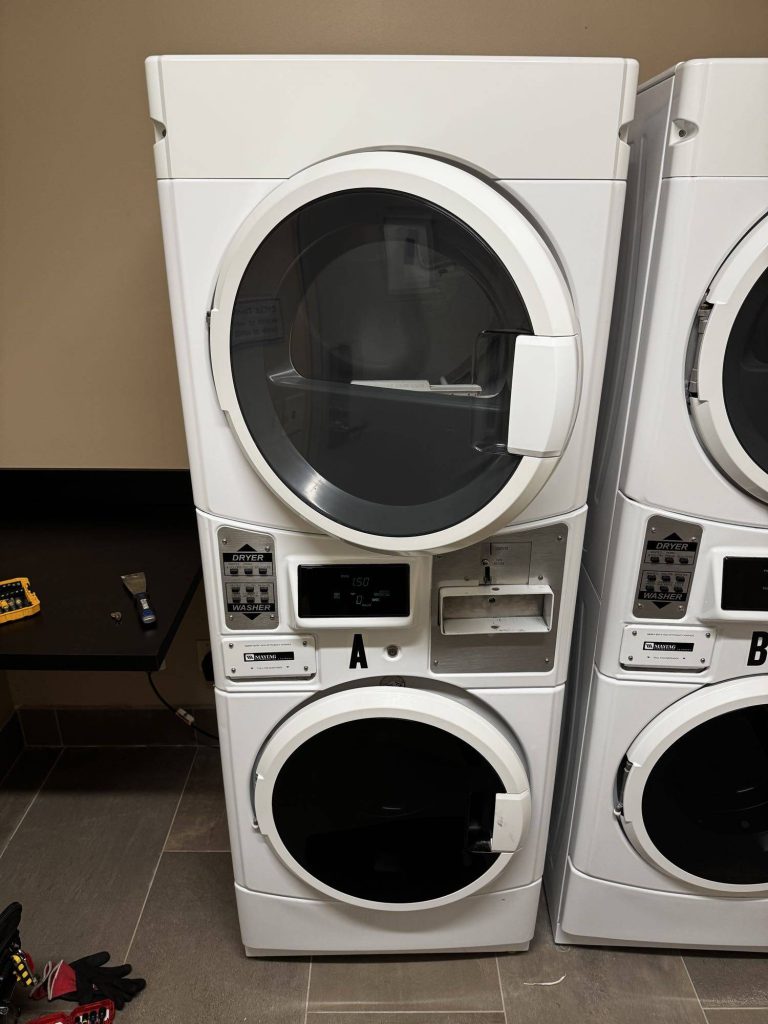
How the Wash Cycle Operates
During the wash cycle, the motor drives the transmission or direct-drive system, depending on the washer model. The transmission converts the motor’s power into the controlled back-and-forth movement needed to wash clothes effectively.
The motor control system continuously adjusts speed and torque based on the selected cycle and laundry load. If any part of this system fails, drum movement may become noticeably slower or weaker.
Worn Transmission
One of the most common mechanical causes of slow drum rotation is a failing transmission.
Inside the transmission are gears and moving components that transfer power from the motor to the drum. After years of use, these parts can wear, creating excessive friction and reducing the amount of power reaching the drum.
Common symptoms of transmission wear include:
- Slow drum movement during washing.
- Jerky or uneven agitation.
- Grinding or clicking noises.
- Difficulty switching between wash and spin.
- Reduced cleaning performance.
Because the transmission is a complex assembly, professional inspection is recommended before replacement.
Motor Control Board Problems
Many modern GE washing machines use a motor control board to regulate motor operation.
This electronic component adjusts motor speed, direction, and power throughout each cycle. If the board develops damaged circuits or electronic faults, it may send incorrect signals that prevent the motor from reaching its normal operating speed.
Motor control issues often cause inconsistent performance, with some cycles operating normally while others experience slow drum movement.
Drive Motor Problems
The drive motor itself may also be responsible.
As the motor ages, internal windings, bearings, or electrical components can wear out. A weakened motor may still rotate the drum but struggle to generate enough torque for proper washing.
Motor problems may also be accompanied by humming sounds, overheating, or repeated attempts to start.
Drive Belt Wear
On belt-driven GE washing machines, a worn or stretched drive belt can reduce the amount of power transferred from the motor to the transmission.
If the belt slips under load, the drum may rotate more slowly than intended, especially when washing heavy items.
Visible cracks, fraying, or glazing are common signs that the belt should be replaced.
Load Sensor or Speed Sensor Issues
Some GE models use sensors to monitor drum speed and laundry load.
If one of these sensors provides inaccurate information, the motor control board may intentionally reduce motor speed because it believes the washer is overloaded or operating outside normal conditions.
Sensor faults can closely resemble motor or transmission failures.
Low Power Supply
An unstable electrical supply can also affect motor performance.
If household voltage drops below normal, the motor may not receive enough power to maintain proper drum speed. Repeated voltage problems can also shorten the life of electronic control components.
If other household appliances show similar electrical issues, the home’s electrical system should be inspected.
Why Prompt Repairs Are Important
Slow drum rotation does more than extend the wash cycle.
Reduced agitation can leave detergent residue on clothing, produce poor cleaning results, and increase wear on the motor and transmission. Continuing to operate the washer with a developing mechanical fault may eventually damage additional components.
Repairing the problem early is often far less expensive than replacing multiple parts later.
Professional Diagnosis
Because slow drum rotation can result from transmission wear, motor control failure, drive motor problems, belt wear, or faulty sensors, accurate diagnosis is essential.
Professional technicians use specialized testing equipment to evaluate the electrical and mechanical systems before recommending repairs. This approach ensures only the failed components are replaced.
If your GE washing machine drum rotates slowly during the wash cycle, don’t ignore the warning signs. Early diagnosis can prevent more serious mechanical damage and restore proper washing performance.
Contact the Service Center today for professional GE washing machine repair. Our experienced technicians will identify the source of the problem, perform reliable repairs using quality replacement parts, and return your washer to smooth, dependable operation.
Motor Control Board Problems
Many modern GE washing machines use a motor control board to regulate motor operation.
This electronic component adjusts motor speed, direction, and power throughout each cycle. If the board develops damaged circuits or electronic faults, it may send incorrect signals that prevent the motor from reaching its normal operating speed.
Motor control issues often cause inconsistent performance, with some cycles operating normally while others experience slow drum movement.
Drive Motor Problems
The drive motor itself may also be responsible.
As the motor ages, internal windings, bearings, or electrical components can wear out. A weakened motor may still rotate the drum but struggle to generate enough torque for proper washing.
Motor problems may also be accompanied by humming sounds, overheating, or repeated attempts to start.
Drive Belt Wear
On belt-driven GE washing machines, a worn or stretched drive belt can reduce the amount of power transferred from the motor to the transmission.
If the belt slips under load, the drum may rotate more slowly than intended, especially when washing heavy items.
Visible cracks, fraying, or glazing are common signs that the belt should be replaced.
Load Sensor or Speed Sensor Issues
Some GE models use sensors to monitor drum speed and laundry load.
If one of these sensors provides inaccurate information, the motor control board may intentionally reduce motor speed because it believes the washer is overloaded or operating outside normal conditions.
Sensor faults can closely resemble motor or transmission failures.
Low Power Supply
An unstable electrical supply can also affect motor performance.
If household voltage drops below normal, the motor may not receive enough power to maintain proper drum speed. Repeated voltage problems can also shorten the life of electronic control components.
If other household appliances show similar electrical issues, the home’s electrical system should be inspected.
Why Prompt Repairs Are Important
Slow drum rotation does more than extend the wash cycle.
Reduced agitation can leave detergent residue on clothing, produce poor cleaning results, and increase wear on the motor and transmission. Continuing to operate the washer with a developing mechanical fault may eventually damage additional components.
Repairing the problem early is often far less expensive than replacing multiple parts later.
Professional Diagnosis
Because slow drum rotation can result from transmission wear, motor control failure, drive motor problems, belt wear, or faulty sensors, accurate diagnosis is essential.
Professional technicians use specialized testing equipment to evaluate the electrical and mechanical systems before recommending repairs. This approach ensures only the failed components are replaced.
If your GE washing machine drum rotates slowly during the wash cycle, don’t ignore the warning signs. Early diagnosis can prevent more serious mechanical damage and restore proper washing performance.
Contact the Service Center today for professional GE washing machine repair. Our experienced technicians will identify the source of the problem, perform reliable repairs using quality replacement parts, and return your washer to smooth, dependable operation.