
KitchenAid Refrigerator Condensation Forms Around the Door Seal — Possible Door Gasket or Humidity Control Issues
Condensation around the door seal of a KitchenAid refrigerator is a common problem that should not be ignored. A small amount of moisture can appear when warm, humid air enters the refrigerator, but persistent water or droplets around the gasket may indicate a problem with the door seal, door alignment, temperature settings, or humidity control system.
When condensation continues to form, the refrigerator has to work harder to maintain the correct internal temperature. Over time, this can increase energy consumption and contribute to frost buildup, spoiled food, or moisture damage around the cabinet and flooring.
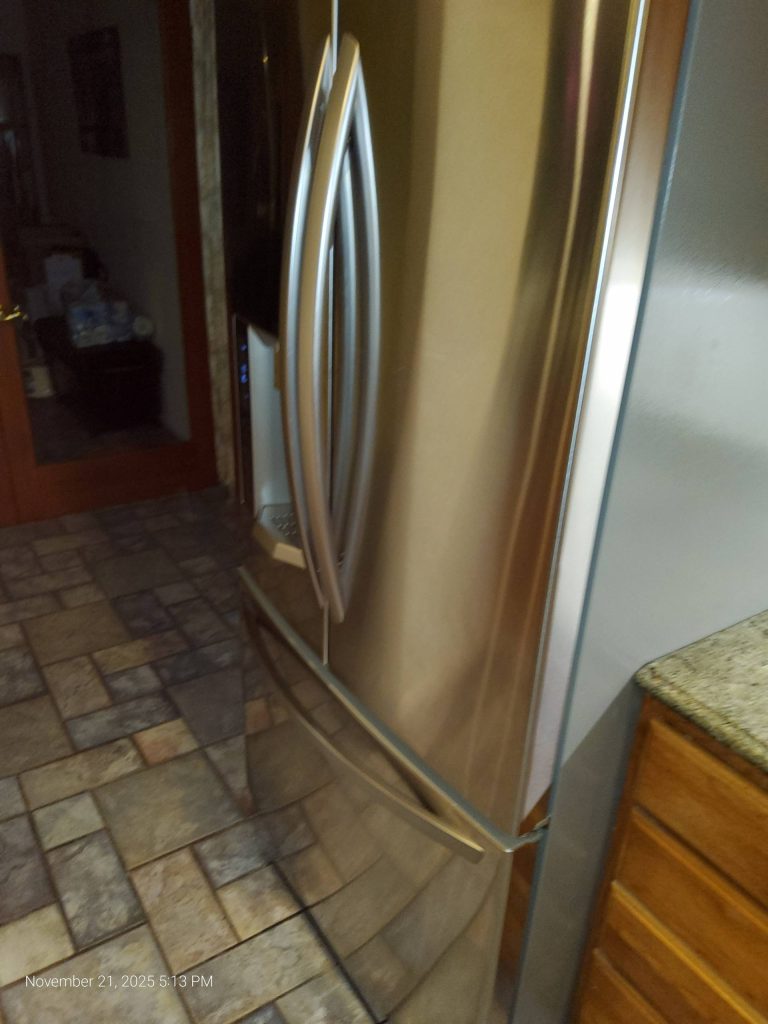
Why Does Condensation Form Around the Refrigerator Door?
The refrigerator door gasket is designed to create an airtight seal between the door and the cabinet. When the seal works correctly, warm room air stays outside while cold air remains inside.
If the gasket does not seal properly, humid air can enter the refrigerator. When that warm air comes into contact with the cold surfaces around the door opening, moisture condenses and appears as water droplets.
Occasional condensation can be normal, especially during periods of high indoor humidity. However, if moisture appears frequently or collects around the entire door seal, the refrigerator should be inspected.
Damaged or Worn Door Gasket
One of the most common causes of condensation around a KitchenAid refrigerator door is a damaged or worn gasket.
The gasket can lose its flexibility over time. It may also become cracked, torn, flattened, or deformed. Food residue and dirt can prevent the rubber from making full contact with the refrigerator cabinet.
Even a small gap can allow humid air to enter continuously. A simple inspection can reveal visible damage. Check the gasket around the entire perimeter of the door and look for cracks, gaps, hardened sections, or areas that appear compressed. Cleaning the gasket with mild soap and water may improve the seal if dirt is the problem. If the gasket is damaged or has permanently lost its shape, replacement may be necessary.
Refrigerator Door Alignment Problems
Condensation may also develop when the refrigerator door does not close correctly.
Heavy items stored in the door shelves can sometimes affect how the door closes. Hinges may become loose or worn, and the door can shift out of alignment. If the door sits unevenly against the cabinet, the gasket may not make consistent contact.
Look at the door from the front and check whether the gaps around it appear even. Make sure nothing inside the refrigerator is preventing the door from closing completely.
If the door closes but does not create a proper seal, a technician may need to adjust the hinges or inspect the door components.
High Humidity and Moisture Control
Kitchen humidity has a direct effect on refrigerator condensation. During humid weather, more moisture enters the refrigerator every time the door is opened.
KitchenAid refrigerators are designed with systems that help manage internal temperature and humidity. If moisture levels remain unusually high, there may be an issue with airflow, temperature regulation, or another component responsible for maintaining the proper environment inside the refrigerator.
Frequent door opening can also contribute to condensation. If the refrigerator door is opened repeatedly or left open for extended periods, warm air enters and raises the humidity inside the compartment.
Reducing unnecessary door openings can help, but persistent condensation should still be investigated.
Incorrect Temperature Settings
Temperature settings can also contribute to excessive moisture.
If the refrigerator is operating at an unusually low temperature while humid air continues to enter through a poor door seal, condensation can become more noticeable around the coldest areas of the door opening.
On the other hand, if the refrigerator is not maintaining the correct temperature, the cooling system may have an underlying problem.
Do not immediately change the temperature to compensate for condensation. First, check whether the door closes properly and whether the gasket is sealing correctly.
Why Excessive Condensation Should Be Addressed
Water around the door seal may seem like a minor inconvenience, but persistent moisture can indicate that the refrigerator is losing conditioned air.
The appliance may need to run more frequently to compensate for warm air entering the cabinet. This can place additional strain on the cooling system and increase electricity consumption.
Moisture can also contribute to mold growth, unpleasant odors, deterioration of surrounding materials, and frost or ice accumulation in some areas.
If you notice water pooling around the door or condensation returning shortly after you wipe it away, professional diagnosis is recommended.
When to Call a Refrigerator Repair Technician
A technician should inspect the appliance if cleaning the gasket and checking the door position do not solve the problem.
Professional service can determine whether the issue is caused by a damaged door gasket, door alignment, hinge problems, temperature control, airflow, or another refrigerator component.
A technician can also check the condition of the seal around the entire door rather than relying only on a visual inspection. This helps identify small gaps that may not be obvious but can still allow humid air into the refrigerator.
Avoid replacing parts based only on symptoms. Condensation around the gasket does not always mean the gasket itself is defective. Proper diagnosis helps identify the actual cause and prevents unnecessary repairs.
Keep Your KitchenAid Refrigerator Working Properly
If condensation repeatedly forms around your KitchenAid refrigerator door seal, check the gasket for dirt or visible damage, make sure the door closes completely, and avoid leaving the door open longer than necessary.
If moisture continues to appear, the refrigerator may require professional service.
Contact the Service Center to schedule KitchenAid refrigerator repair. A qualified technician can inspect the door seal, humidity conditions, temperature control, and related components, identify the source of the problem, and recommend the appropriate repair.