
LG Dishwasher Fills with Water but Does Not Start Washing — Possible Circulation Pump or Control Board Failure
An LG dishwasher that fills with water but does not begin the washing cycle can be confusing. You may hear the inlet valve open, see water enter the tub, and then notice that the dishwasher becomes unusually quiet. The expected spray action never starts, dishes remain dirty, and the cycle may appear to be stuck.
When this happens, the dishwasher is successfully completing one part of the cycle but failing to move into the washing stage. In many cases, the problem is connected to the circulation pump, but a faulty control board, wiring issue, or another component can produce similar symptoms.
Understanding what happens after the dishwasher fills can help identify the likely source of the failure.
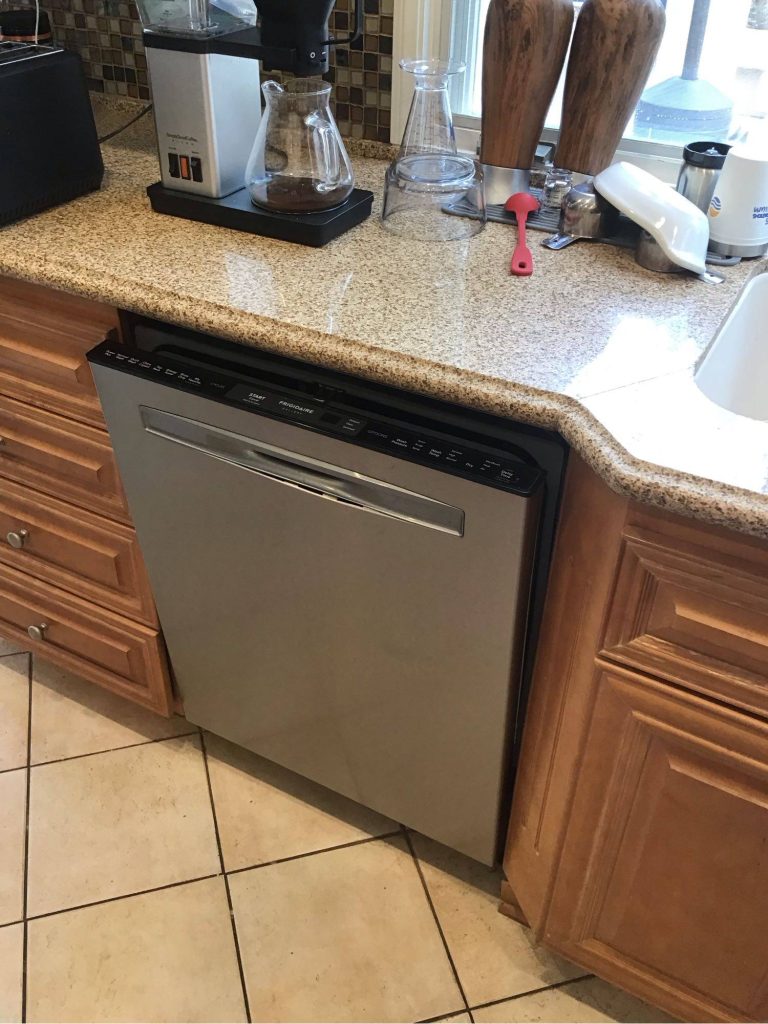
What Should Happen After an LG Dishwasher Fills?
During a normal cycle, the dishwasher first brings in the required amount of water. Once the water level is sufficient, the circulation system should activate. The circulation pump draws water from the sump area and forces it through the spray arms under pressure.
The spray arms then rotate and distribute water throughout the dishwasher. This is what actually removes food particles, grease, and residue from dishes.
If the dishwasher fills but you do not hear the circulation pump running or notice water spraying inside, the washing stage is not starting correctly.
A Failed Circulation Pump Is a Common Possibility
The circulation pump is responsible for moving water through the spray system. If the pump motor fails, the dishwasher can fill normally but remain silent afterward.
A circulation pump can fail for several reasons. Normal wear, electrical problems, blocked components, or damage to the motor can prevent it from operating.
Typical signs of a circulation pump problem include:
- The dishwasher fills with water but does not spray it.
- The spray arms do not move during the cycle.
- You hear a humming or buzzing sound without normal washing action.
- The dishwasher remains stuck after filling.
- Dishes are still dirty even though the cycle appears to run.
- The pump may work intermittently before failing completely.
A technician can test the pump for proper electrical operation and determine whether it is receiving the voltage required to run.
The Control Board May Also Be Responsible
The electronic control board manages the dishwasher’s operating sequence. It determines when components such as the inlet valve, circulation pump, drain pump, heating system, and other functions should activate.
If the control board does not send the correct signal to the circulation pump, the dishwasher may fill with water and then fail to begin washing.
Control board problems can develop because of electrical faults, damaged components, moisture exposure, or age-related failure. However, replacing the board without testing the rest of the system can be an expensive mistake.
A dishwasher that does not start washing does not automatically need a new control board. The pump, wiring, connectors, motor circuit, and other components should be checked first.
Wiring and Electrical Connections Should Be Checked
A working circulation pump cannot operate if electricity is not reaching it. Damaged wiring, loose connectors, burned terminals, or a poor electrical connection can interrupt the washing cycle.
This can sometimes happen after previous repairs, prolonged vibration, moisture exposure, or normal deterioration of electrical connections.
A professional diagnosis should include checking continuity and electrical connections rather than assuming that the pump itself has failed.
A Blockage Can Cause Similar Symptoms
In some cases, the circulation system may be affected by debris or a restriction in the sump area. Broken glass, food particles, labels, or other foreign objects can interfere with water circulation.
Filters should also be kept clean because heavy buildup can restrict water flow and affect dishwasher performance.
However, if the dishwasher consistently fills and never begins circulating water, cleaning the filter may not solve the problem. The circulation system should be inspected if basic cleaning does not restore normal operation.
What You Can Check Before Calling for Service
Start by turning the dishwasher off and checking whether the filters are heavily clogged. Make sure the spray arms can rotate freely and are not blocked by dishes or debris.
You can also restart the dishwasher and listen carefully during the first few minutes after filling. A normal washing stage should produce the sound of water being circulated inside the tub.
If the dishwasher fills and then becomes completely quiet, or produces only an unusual humming sound, avoid repeatedly restarting it. Continued operation with a failing pump or electrical component can potentially cause additional damage.
Do not attempt to test live electrical components unless you have the appropriate experience and equipment.
Why Professional Diagnosis Matters
A dishwasher that fills with water but does not wash can have several possible causes. The circulation pump and control board are important possibilities, but they are not the only ones.
A technician can inspect the pump, motor, wiring, connectors, control signals, filters, sump area, and related components to identify the actual failure.
Accurate diagnosis also helps avoid replacing expensive parts unnecessarily. For example, replacing a control board will not solve the problem if the circulation pump has seized or if a damaged wire is preventing the pump from receiving power.
If your LG dishwasher fills with water but never starts washing, the problem should be diagnosed before the appliance is used repeatedly.
Contact the Service Center to schedule professional dishwasher repair. A technician can determine why the washing cycle is not starting and recommend the appropriate repair for your LG dishwasher.