
LG Washing Machine Makes a Whistling Noise During Operation: Possible Water Inlet Valve or Bearing Problems
An LG washing machine should operate with a relatively steady sound as it fills with water, tumbles clothes, drains, and spins. However, if your washer begins producing a high-pitched whistling noise during operation, it may indicate a problem with the water supply system, internal components, or drum bearings. Although some sounds are normal, a persistent whistle deserves attention, especially if it becomes louder or appears alongside changes in washing performance.
Identifying when the noise occurs is one of the most effective ways to narrow down the cause. A whistle during water filling points toward different components than a high-pitched sound that continues while the drum rotates at high speed.
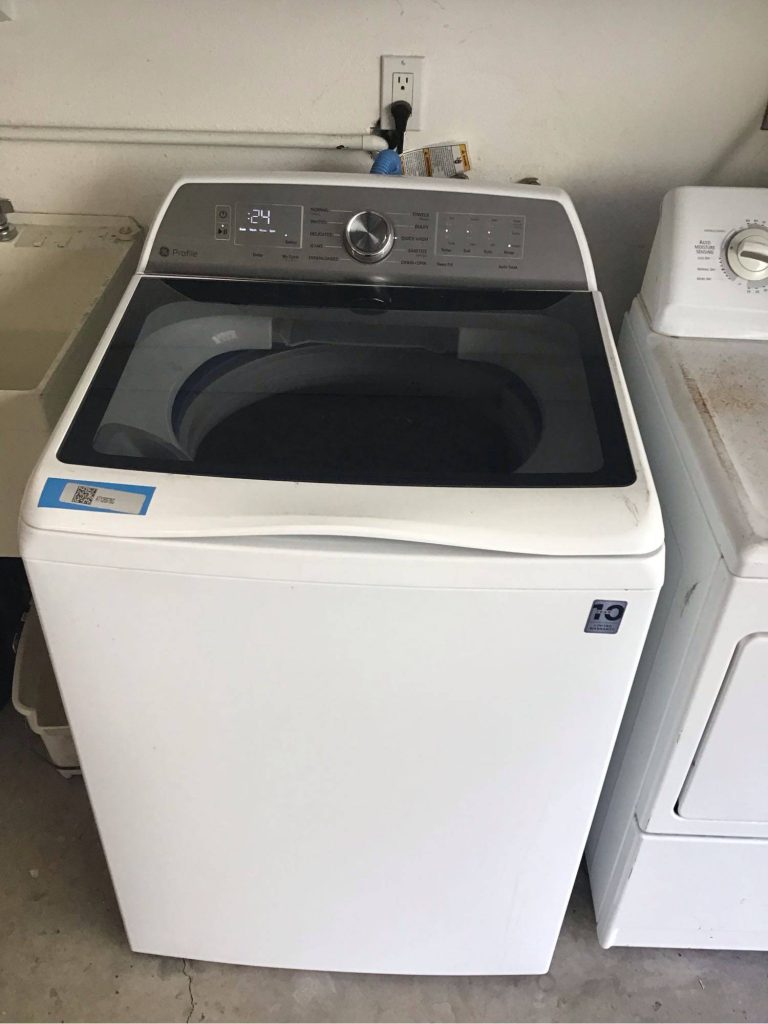
Why Does an LG Washing Machine Make a Whistling Noise?
The timing, intensity, and location of the sound can provide useful clues. If your LG washing machine whistles only when water enters the drum, the inlet valve or household water supply may be responsible. If the noise increases during agitation or spinning, worn bearings, friction, or another mechanical problem may be involved.
Other possible causes include a restricted inlet hose, an obstructed filter screen, an unbalanced load, or components that have become loose over time. The correct diagnosis depends on the washer’s symptoms and operating conditions.
Water Inlet Valve Problems
The water inlet valve controls the flow of hot and cold water into the washing machine. When a wash cycle begins, the control system activates the valve, allowing water to enter through the connected supply hoses.
If the valve becomes worn, partially obstructed, or affected by mineral deposits, water may pass through a restricted opening and produce a high-pitched whistling sound. The noise typically occurs during the filling stage and may stop once the washer has collected enough water.
A similar sound can result from low water pressure, a partially closed supply valve, or a kinked inlet hose.
These restrictions can cause water to flow unevenly, creating unusual sounds even when the washing machine itself is functioning correctly.
To investigate the issue safely, pause the cycle and inspect the accessible supply hoses for visible kinks or damage. Check that the household water supply valves are fully open. Before disconnecting any hose, turn off the water supply and unplug the washer. Small inlet filter screens may also accumulate sediment, but cleaning or replacing internal components is best left to a qualified technician if you are unfamiliar with the procedure.
If the whistling continues whenever the machine fills, the inlet valve may require testing or replacement. A technician can determine whether the problem originates in the valve, the water supply, or another part of the filling system.
Worn Drum Bearings
Drum bearings allow the washer drum to rotate smoothly. Over time, moisture, wear, and damaged seals can contribute to bearing deterioration. Although failing bearings more commonly produce rumbling, grinding, or roaring sounds, some mechanical wear can also create a high-pitched squeal or whistle.
Bearing-related noise usually changes with drum speed. It may become more noticeable during the spin cycle, when the drum rotates rapidly. You might also notice excessive vibration, rough drum movement, or water leakage around the rear of the tub.
One useful observation is whether the sound follows the drum’s rotation rather than the water filling process. With the machine switched off and unplugged, gently rotate the drum by hand if the model permits safe access. Grinding, roughness, or unusual resistance may indicate a mechanical problem, although this check cannot confirm bearing failure on its own.
Replacing drum bearings can be a complex repair because accessing them may require substantial disassembly. Depending on the LG model and tub construction, the technician may need to replace additional components. Continuing to operate a washer with severely worn bearings can lead to further damage, so arrange an inspection if the noise is persistent.
Other Possible Sources of Whistling
Not every high-pitched noise indicates a defective inlet valve or worn bearings.
A restricted drain pump or obstruction in the drainage system can produce unusual sounds during water removal. A worn drive component, damaged belt on applicable models, or friction between moving parts may also create squealing noises.
An overloaded washer can increase mechanical stress and cause vibration, while a machine that is not level may move excessively during spinning. These problems do not always produce a whistle, but checking the load size and washer stability is a sensible first step.
Pay attention to whether the sound occurs during filling, washing, draining, or spinning. Note any error codes, changes in cycle duration, leaks, or unusual vibrations. This information can help a repair technician identify the source more efficiently.
When Should You Stop Using the Washer?
Stop the cycle and disconnect the washer from power if you notice a burning smell, smoke, significant water leakage, severe grinding, or unusually strong vibration. If water is leaking near electrical connections, do not touch wet electrical components; shut off the water supply if it is safe to do so and seek professional assistance.
A brief, occasional sound may have a simple explanation, but a whistle that grows louder or occurs during every cycle should not be ignored. Avoid repeatedly running the washer to see whether the noise disappears, particularly when mechanical damage is suspected.
Professional LG Washing Machine Repair
Accurately diagnosing a whistling LG washing machine requires identifying when the sound occurs and testing the relevant components. A qualified appliance technician can inspect the water inlet valve, supply connections, filter screens, drum bearings, and drive system to determine the cause.
Professional diagnosis also helps prevent unnecessary part replacements. For example, replacing an inlet valve will not resolve a noise caused by worn bearings or restricted household water pressure.
If your LG washing machine makes a persistent whistling noise, contact Service Center to arrange an inspection and repair. Addressing the problem early can help prevent additional damage, restore normal operation, and extend the service life of your appliance.
Contact Service Center today to schedule LG washing machine repair and get your washer running properly again.