
LG Washing Machine Pauses After Filling With Water — Possible Hall Sensor or Stator Motor Issues
A washing machine should move smoothly from filling with water to washing the clothes. If your LG washing machine fills with water normally but then suddenly pauses without beginning the wash cycle, it is usually a sign that an important component is not functioning correctly. While some interruptions may be caused by a temporary software glitch, repeated pauses often point to problems with the hall sensor, stator motor, or related electrical components.
Understanding why this happens can help prevent further damage and avoid unnecessary repair costs.
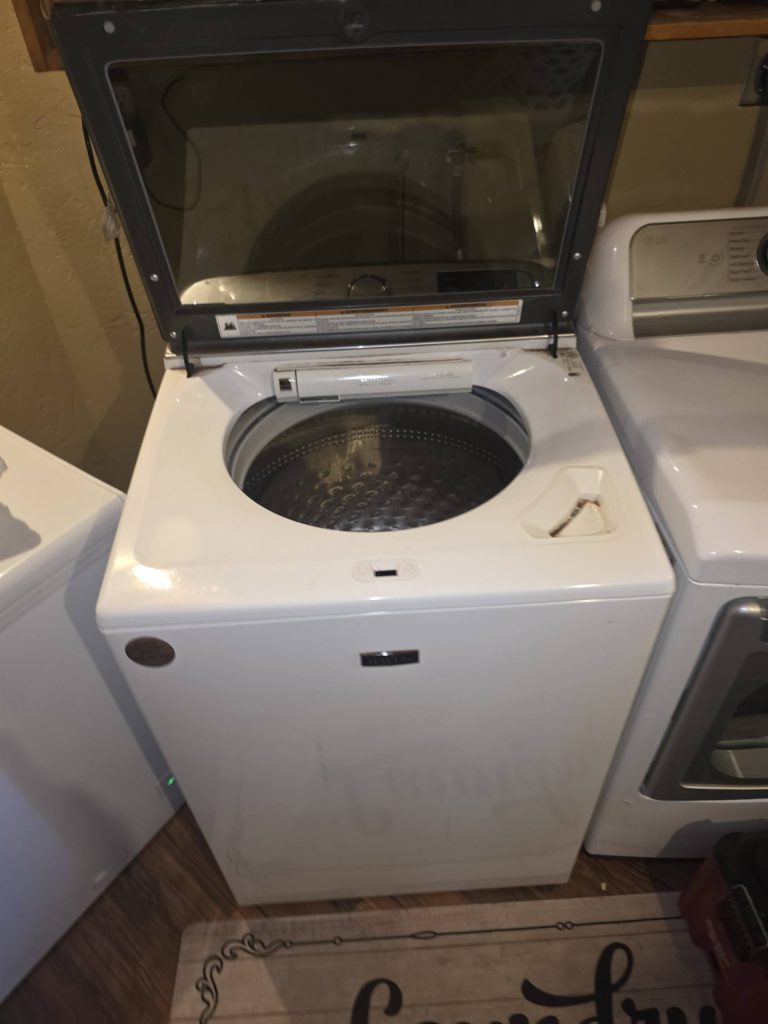
How the Wash Cycle Should Work
Once the machine fills with the correct amount of water, the control board sends a signal to the motor to begin rotating the drum. The hall sensor monitors the motor’s position and speed, constantly sending feedback to the control board. If this communication fails, the machine may stop the cycle because it cannot verify that the motor is operating safely.
Instead of washing, the appliance may simply sit full of water, display an error code, or repeatedly attempt to start the drum without success.
Faulty Hall Sensor
One of the most common reasons for this symptom in LG washing machines is a defective hall sensor.
The hall sensor detects the rotor’s movement and reports its speed and direction to the electronic control board. If the sensor sends inaccurate data—or no data at all—the control board prevents the motor from operating.
Common signs of a failing hall sensor include:
- The washer fills with water but never begins washing.
- The drum jerks slightly before stopping.
- The machine pauses indefinitely.
- Intermittent operation where some cycles complete while others fail.
- Error codes related to motor communication.
Hall sensors can fail due to age, moisture exposure, electrical surges, or normal wear.
Problems With the Stator Motor
LG direct-drive washing machines rely on a stator motor instead of traditional belt-driven systems.
If the stator develops damaged windings, loose mounting bolts, overheating damage, or internal electrical faults, it may not generate enough torque to rotate the drum. The control board detects the lack of movement and pauses the cycle to protect the motor from further damage.
Motor problems often become more noticeable during heavier laundry loads when additional torque is required.
Loose or Damaged Wiring
The electrical harness connecting the hall sensor, motor, and control board operates in a high-vibration environment.
Over time, connectors may loosen, wiring insulation may crack, or corrosion may develop on terminals. Even a minor interruption in communication can prevent the motor from starting correctly.
Technicians usually inspect all wiring before replacing expensive components because a loose connector may create symptoms identical to a failed sensor.
Control Board Malfunctions
Although less common, the electronic control board can also cause the washer to stop after filling.
The control board coordinates every stage of the wash cycle. If damaged by moisture, power fluctuations, or component failure, it may fail to activate the motor even though every other part of the machine remains functional.
Diagnosing a control board requires electrical testing since similar symptoms can also result from sensor or motor failures.
Rotor Problems
The rotor works together with the stator to spin the drum efficiently.
If the rotor becomes loose, develops damaged magnets, or suffers mechanical wear, the hall sensor may receive inconsistent readings. The control board may interpret these irregular signals as a motor failure and stop the cycle before washing begins.
Rotor issues often produce clicking, knocking, or scraping noises before complete failure occurs.
Overloaded Drum
Not every pause is caused by defective parts.
An overloaded washing machine places excessive strain on the motor during startup. In some cases, the motor struggles to rotate the drum, causing the control system to delay or interrupt the cycle.
Reducing the load and redistributing heavy items may restore normal operation if overload is the only cause.
Power Supply Issues
Low household voltage or unstable electrical supply can interfere with the operation of the motor control system.
Insufficient voltage may prevent the motor from generating enough starting power, leading to pauses immediately after filling.
If lights flicker or other appliances also behave abnormally, the home’s electrical system should be inspected.
Why Prompt Repairs Matter
Ignoring repeated pauses can place additional stress on other components.
A struggling motor may overheat, damaged wiring may worsen over time, and repeated restart attempts can increase wear on the control board. Addressing the issue early often limits repairs to a single component rather than multiple expensive parts.
Professional technicians use diagnostic equipment to determine whether the fault lies in the hall sensor, stator, rotor, wiring, or electronic controls before replacing any parts.
Avoid DIY Electrical Repairs
Although some homeowners attempt to replace sensors themselves, direct-drive LG washing machines contain sensitive electrical systems that require proper testing and calibration.
Replacing the wrong component can increase repair costs while leaving the original problem unresolved. Professional diagnosis ensures the actual fault is identified before repairs begin.
If your LG washing machine pauses after filling with water and refuses to begin washing, don’t ignore the warning signs. Whether the problem involves the hall sensor, stator motor, wiring, rotor, or electronic control board, early diagnosis helps prevent additional damage and restores reliable performance.
Contact the Service Center today to schedule professional LG washing machine repair. Our experienced technicians quickly identify the cause, install quality replacement parts when needed, and return your washer to dependable operation.