
Refrigerator Fresh Food Compartment Feels Colder at the Bottom Than the Top — Possible Airflow Distribution Problems
A refrigerator is designed to maintain a consistent temperature throughout the fresh food compartment. While slight temperature differences between shelves are normal, a noticeable gap between the bottom and top sections often indicates that cold air is not circulating properly. If items stored on lower shelves feel much colder than those near the top, the appliance may be experiencing airflow distribution problems that require attention.
Understanding why this happens can help prevent food spoilage, improve energy efficiency, and reduce the risk of more serious refrigerator issues.
How Air Circulation Works Inside a Refrigerator
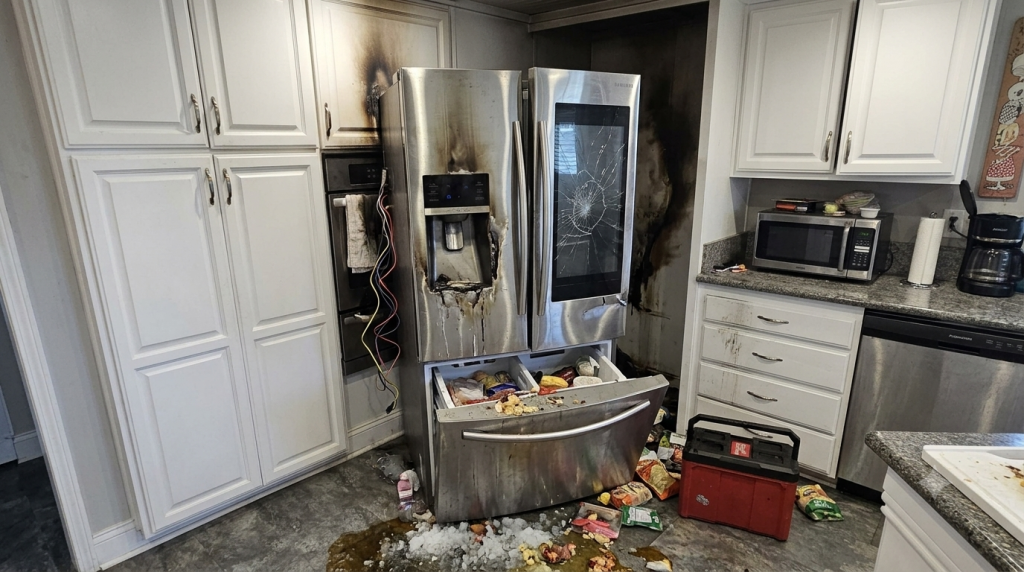
Most modern refrigerators generate cold air in the freezer section and distribute it throughout the appliance using fans and air ducts. The evaporator fan pushes cold air through designated channels into the fresh food compartment, while vents regulate how much air reaches different areas.
When this system functions correctly, temperatures remain relatively even throughout the refrigerator. However, if airflow becomes restricted or uneven, some areas may become significantly colder than others.
A common symptom is excessive cooling at the bottom while the upper shelves remain warmer than expected.
Blocked Air Vents
One of the most frequent causes of uneven temperatures is blocked air vents. Food containers, large packages, or improperly arranged items can obstruct the flow of cold air.
When vents are blocked, cold air may settle toward the lower section of the refrigerator instead of circulating evenly. As a result, vegetables, beverages, and other items stored near the bottom can become excessively cold, while food on upper shelves may not receive enough cooling.
Rearranging stored items and keeping vents clear can sometimes restore proper airflow.
Faulty Evaporator Fan
The evaporator fan plays a critical role in moving cold air throughout the refrigerator. If the fan motor begins to wear out or operates intermittently, airflow becomes weaker and less consistent.
A failing fan may still move enough air to cool the lower portion of the compartment, but not enough to distribute temperatures evenly from top to bottom. In some cases, users may also notice unusual noises, reduced cooling performance, or fluctuating temperatures.
Professional testing can determine whether the fan motor is functioning properly.
Ice Buildup Around Air Channels
Frost or ice accumulation around the evaporator area can restrict airflow and create temperature imbalances.
This issue often develops when the automatic defrost system is not working correctly. As ice builds up, it blocks the pathways that direct cold air through the refrigerator compartment. Cold air may then be forced into certain areas while bypassing others.
Over time, the problem typically worsens, leading to increasingly uneven temperatures and reduced cooling efficiency.
Damper Control Problems
Many refrigerators use a damper assembly to regulate how much cold air enters the fresh food compartment from the freezer.
If the damper becomes stuck open, excessive cold air may flow into certain sections of the refrigerator. Depending on the design of the appliance, this can result in colder temperatures near the lower shelves.
If the damper becomes stuck closed or only partially opens, airflow distribution may become inconsistent, causing warm and cold spots throughout the compartment.
Dirty Condenser Coils
Although condenser coils do not directly control airflow inside the refrigerator compartment, their condition affects the overall cooling system.
When coils become coated with dust, pet hair, or debris, heat removal becomes less efficient. The refrigerator may compensate by running longer cooling cycles, which can amplify existing airflow distribution issues.
Regular condenser maintenance helps support stable operation and consistent temperatures.
Door Seal Issues
Damaged or worn door gaskets can also contribute to temperature imbalances. Warm air entering through gaps in the seal affects how the cooling system responds.
The refrigerator may increase cooling activity to maintain the desired temperature. Combined with existing airflow restrictions, this can create larger differences between the upper and lower portions of the compartment.
Inspecting door seals for cracks, gaps, or wear can help identify this issue.
Why Uneven Cooling Should Not Be Ignored
Temperature inconsistency affects food quality and storage safety. Dairy products, leftovers, fruits, and vegetables may experience different storage conditions depending on where they are placed.
Food stored on warmer upper shelves may spoil faster, while items on lower shelves can freeze unexpectedly. This not only wastes food but also indicates that the refrigerator is operating inefficiently.
Ignoring airflow problems may eventually lead to increased energy consumption and additional stress on cooling components.
Professional Diagnosis and Repair
Because multiple components influence airflow distribution, identifying the exact cause requires a systematic inspection. Technicians typically evaluate the evaporator fan, air vents, damper assembly, defrost system, door seals, and overall cooling performance.
Professional diagnostics can determine whether the issue is caused by a simple blockage or a component failure requiring repair or replacement.
Addressing airflow problems early helps maintain consistent temperatures, improve efficiency, and extend the lifespan of the refrigerator.
Contact the Service Center
If the bottom of your refrigerator feels significantly colder than the top, the cooling system may not be distributing air properly. Professional diagnosis can identify the source of the problem before it leads to food spoilage or more expensive repairs.
Contact the Service Center today to schedule an inspection and restore balanced cooling throughout your refrigerator.