Refrigerator Light Works but Cooling Suddenly Drops — Possible Compressor or Control System Issues
When a refrigerator stays powered, the light turns on, but the temperature inside starts rising, the problem is usually hidden deeper than it seems. Power is reaching the unit, yet the cooling cycle is no longer working as intended. This pattern often points to issues in the compressor system or electronic control components.
Understanding what is happening inside the appliance helps narrow down the cause before it leads to full breakdown.
What the symptom actually indicates
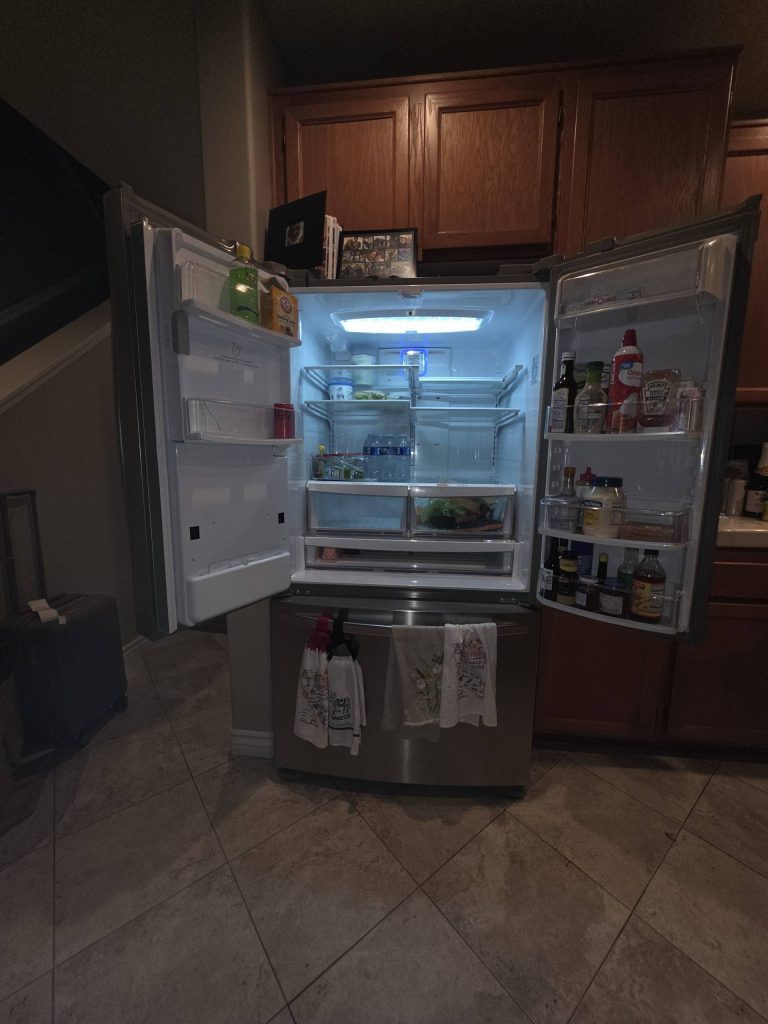
The interior light is on a separate low-power circuit. It only confirms that electricity is reaching the appliance. Cooling depends on an entirely different system: compressor, start relay, thermostat, sensors, and control board.
When cooling suddenly weakens or stops while the light still works, the failure is typically related to one of these systems rather than a total power loss.
Compressor not starting or stopping too early
The compressor is the core of the cooling process. It circulates refrigerant through the system and maintains stable temperature.
If it fails, the refrigerator may still run quietly, but no real cooling happens.
Common compressor-related problems include:
- Start relay failure preventing the compressor from kicking in
- Overheating protection shutting the compressor down too early
- Internal wear reducing compression efficiency
- Voltage instability affecting startup cycles
A failing compressor often produces subtle signs before complete breakdown: clicking sounds, short cycling, or long pauses between starts.
Start relay and capacitor issues
The start relay helps the compressor begin operation. When it fails, the compressor may attempt to start but stop immediately.
Typical signs:
- Repeated clicking every few minutes
- Compressor warm but not running
- Intermittent cooling that briefly returns and disappears again
A faulty capacitor creates similar behavior by failing to provide the necessary boost for startup.
These parts are relatively small but critical for the entire cooling cycle.
Temperature sensors and thermostat malfunction
Modern refrigerators rely on sensors to regulate internal temperature. If a sensor sends incorrect data, the control system may believe the desired temperature has already been reached.
This leads to:
- Compressor shutting off too early
- Long cooling gaps
- Gradual temperature increase inside the chamber
Mechanical thermostats in older models can also lose calibration, causing irregular cycling or complete shutdown of cooling activity while power remains active.
Electronic control board failure
The control board manages all major functions: compressor timing, fan operation, defrost cycles, and sensor communication.
When it begins to fail, symptoms become inconsistent:
- Cooling stops without warning
- Appliance restarts on its own
- Irregular fan or compressor behavior
- No clear pattern to temperature changes
Control board issues are often mistaken for compressor failure because both affect cooling performance in similar ways.
Evaporator fan problems
Even if the compressor works correctly, cold air must circulate inside the refrigerator. The evaporator fan is responsible for this movement.
If it fails:
- Freezer may still cool slightly while fridge section warms up
- Airflow becomes weak or absent
- Frost buildup may block movement of air
This creates the impression of a global cooling failure when the compressor is actually functioning.
Frost buildup and blocked airflow
In some cases, the issue is not electrical or mechanical failure but restricted airflow. A defrost system malfunction can cause ice accumulation around the evaporator coils.
This leads to:
- Reduced cooling efficiency
- Uneven temperature distribution
- Gradual warming despite compressor activity
If left unresolved, the ice layer completely blocks air circulation.
When professional diagnosis is necessary
Refrigeration systems involve sealed components, electrical circuits, and pressure-based mechanisms. Without proper tools, it is difficult to determine whether the issue comes from the compressor, sensors, or control board.
A technician typically checks:
- Compressor startup current and pressure output
- Relay and capacitor condition
- Sensor resistance and calibration
- Control board signals
- Airflow and defrost system performance
Accurate diagnosis prevents unnecessary part replacement and reduces repair time.
Preventing repeated failures
Some cooling issues develop gradually due to environmental and usage factors:
- Frequent door opening increasing internal load
- Dust accumulation around condenser coils
- Voltage fluctuations affecting electronic components
- Overloading shelves blocking airflow
Regular maintenance helps extend compressor life and keeps the system stable under normal conditions.
When a refrigerator light works but cooling drops suddenly, the issue is rarely simple. It usually involves a breakdown in one of the key cooling components: compressor, start relay, sensors, or control system. Each of these affects temperature regulation differently, and only proper inspection can identify the exact cause.
Timely intervention prevents food spoilage and avoids more expensive repairs later.
For accurate diagnostics and repair, contact the Service Center.