
Samsung Refrigerator Freezer Stays Cold but Ice Maker Stops Producing Ice — Possible Inlet Valve or Ice Maker Sensor Issues
A Samsung refrigerator can keep food perfectly frozen while the ice maker suddenly stops producing ice. Because the freezer temperature remains normal, many homeowners assume the ice maker has simply become jammed or needs to be reset. While minor issues can occasionally interrupt ice production, a freezer that stays cold but no longer makes ice usually indicates a fault within the ice-making system itself.
The most common causes include a faulty water inlet valve, a defective ice maker sensor, frozen water lines, or problems with the electronic control system. Identifying the issue early helps restore normal operation and prevents unnecessary replacement of working parts.
How the Ice Maker Works
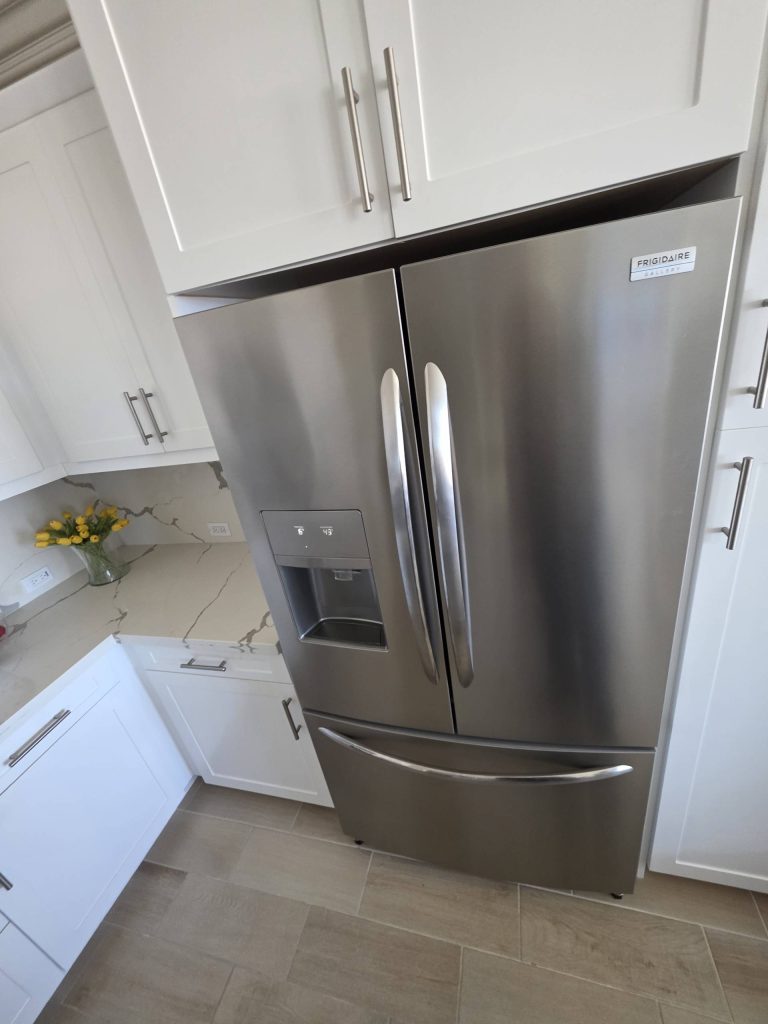
The ice maker follows a simple sequence. After the freezer reaches the proper temperature, the control system signals the water inlet valve to fill the ice mold with the correct amount of water. Once the water freezes, the ice maker sensor confirms the ice is ready, the ejector releases the cubes into the storage bin, and the cycle repeats.
If any part of this process fails, ice production stops even though the freezer continues maintaining the correct temperature.
Faulty Water Inlet Valve
One of the most common reasons a Samsung ice maker stops working is a defective water inlet valve.
The valve opens when instructed by the control board, allowing water to flow into the ice maker. If the valve becomes clogged with mineral deposits, develops an electrical fault, or no longer opens completely, insufficient water reaches the ice tray.
Common signs of a failing inlet valve include:
- No new ice production.
- Very small or hollow ice cubes.
- Intermittent ice making.
- Buzzing sounds during the fill cycle.
- An empty ice mold.
Because inlet valves contain electrical components, they typically require replacement rather than repair.
Ice Maker Sensor Problems
The ice maker relies on sensors to monitor temperature and determine when the ice is fully frozen.
If a sensor provides inaccurate readings, the control board may delay or completely stop the ice-making cycle. The freezer itself continues operating normally, making the problem difficult to recognize until the ice bin becomes empty.
Sensor failures may occur because of age, moisture exposure, or electronic component failure.
Frozen Water Supply Line
Even with a functioning inlet valve, water cannot reach the ice maker if the supply tube freezes.
A frozen fill tube often results from low water flow, improper freezer temperatures, or minor valve leaks that allow small amounts of water to freeze inside the line.
Professional technicians inspect both the valve and water line before replacing components.
Ice Maker Assembly Failure
The ice maker assembly contains several moving and electronic parts that work together during every production cycle.
A worn ejector motor, damaged gears, or internal electrical faults can stop ice production while the rest of the refrigerator operates normally.
In many cases, replacing the complete ice maker assembly is the most reliable repair.
Electronic Control Board Problems
Modern Samsung refrigerators depend on electronic control boards to coordinate cooling and ice production.
If the board fails to send the proper signals to the inlet valve or ice maker, the freezer may continue maintaining the correct temperature while ice production stops completely.
Control board failures can produce inconsistent symptoms and require professional diagnostic testing.
Low Water Pressure
The ice maker requires adequate household water pressure to fill the mold correctly.
If pressure drops below the manufacturer’s specifications, the inlet valve may not supply enough water for a complete ice-making cycle. This often results in slow production, undersized cubes, or no ice at all.
Checking the home’s water supply is an important step during diagnosis.
Why Prompt Repairs Matter
An ice maker that stops producing ice is often an early warning of a developing problem.
Ignoring the issue can allow mineral buildup, frozen water lines, or failing electrical components to worsen over time. Early repairs are usually less expensive and help prevent damage to additional parts of the ice-making system.
Prompt service also restores the convenience of reliable ice production.
Professional Diagnosis
Because inlet valve failures, sensor problems, frozen water lines, control board faults, and ice maker assembly defects can produce similar symptoms, replacing parts without testing may not solve the problem.
Professional technicians use specialized diagnostic equipment to evaluate the complete ice-making system and identify the exact cause before performing repairs.
If your Samsung refrigerator freezer stays cold but the ice maker has stopped producing ice, don’t rely on repeated resets or temporary fixes. Professional diagnosis can quickly identify the source of the problem and restore normal ice production.
Contact the Service Center today for expert Samsung refrigerator repair. Our experienced technicians will inspect the ice-making system, replace faulty components with quality parts, and return your refrigerator to dependable performance.