
Understanding Microwave Input Failure: Control Panel vs. Electronic Logic
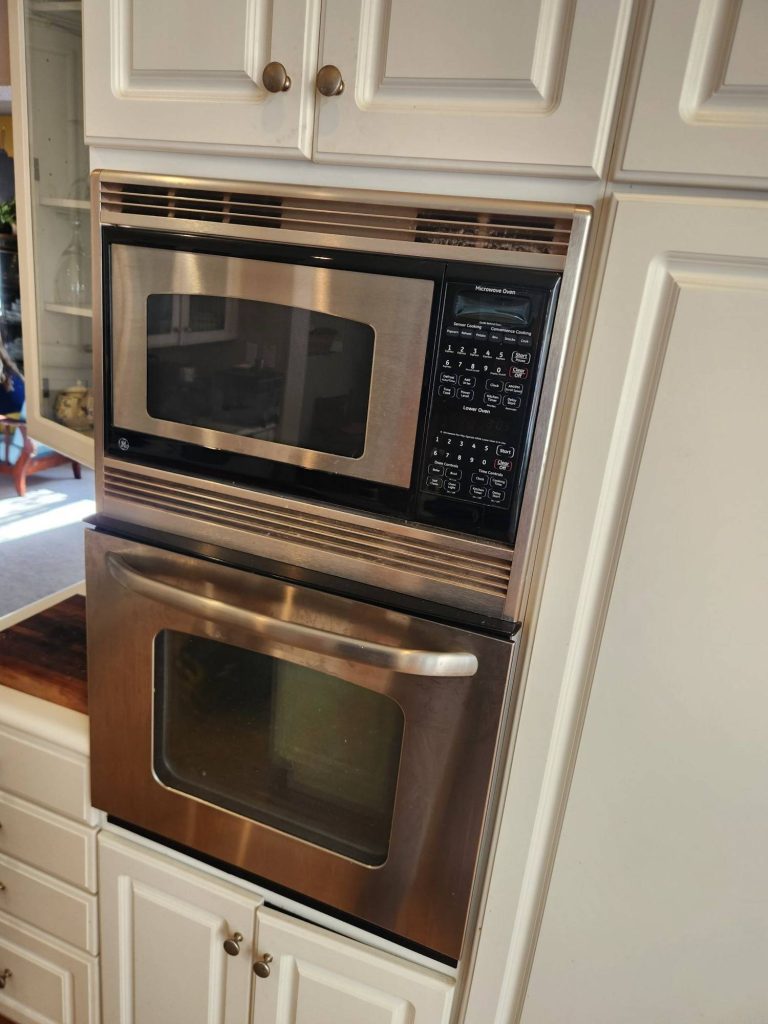
A microwave oven is a staple of modern convenience, but that convenience vanishes the moment the appliance stops responding to your touch. When buttons become unresponsive, inconsistent, or “ghost” press on their own, it creates a frustrating barrier between the user and a hot meal. Unlike a mechanical failure—such as a broken door latch or a cooling fan—issues with the control interface often point to a breakdown in communication between the user’s physical input and the appliance’s internal computer. Understanding the distinction between a physical control panel failure and a deeper electronic malfunction is essential for determining the viability of a repair.
The Anatomy of the Interface: The Touchpad and Membrane Switch
Most modern microwaves utilize a “membrane switch” system rather than individual mechanical buttons. This component consists of two flexible layers of plastic, each coated with a conductive metallic ink. When you press a “button” on the exterior, these two layers make contact, completing a low-voltage electrical circuit that tells the control board which function to activate.
Inconsistency often begins here. Over time, the conductive coating can wear thin or oxidize. This leads to a scenario where the “Start” button may require excessive force to register, while the “Defrost” button works perfectly. Alternatively, humidity and kitchen grease can seep behind the overlay. Because kitchens are high-moisture environments, steam from boiling pots or the microwave itself can cause the layers of the membrane to stick together or corrode. This results in “intermittent responsiveness,” where the panel might work in the morning but fail in the evening after the kitchen has become warm and humid.
The Role of the Control Board
If the touchpad is the “nervous system” of the microwave, the control board is the “brain.” This printed circuit board (PCB) processes the signals from the membrane switch and triggers the high-voltage components, such as the magnetron and the transformer.
When buttons respond inconsistently, the fault may not be in the plastic panel you touch, but in the electronic logic of the board itself. Electronic failure can be caused by several factors:
- Voltage Spikes: A power surge can damage the delicate microprocessors or capacitors on the board, leading to erratic behavior.
- Solder Joint Fatigue: Over years of heating and cooling cycles, the solder joints connecting the display and the input ribbon to the board can crack. This creates a loose connection that may only work when the machine is at a certain temperature.
- Capacitor Failure: If the capacitors providing power to the control circuit begin to leak or bulge, the board may not receive a steady enough current to register quick button presses.
Distinguishing between a bad touchpad and a bad control board is a common challenge. Generally, if the display is blank or showing “gibberish” characters alongside the unresponsive buttons, the control board is the likely culprit. If the display is perfect but certain specific keys refuse to work, the problem is almost certainly the membrane switch.
The Ribbon Connector: The Hidden Link
Connecting the touch panel to the control board is a thin, flexible plastic ribbon containing several conductive tracks. This ribbon is inserted into a connector on the PCB. Because this connection relies on friction and pressure, it is a frequent point of failure.
In many cases of inconsistent response, the ribbon connector has simply become loose or the contact points have oxidized. Environmental factors in the kitchen, such as aerosolized cooking oils, can create a film on these contacts, insulating them and preventing the signal from passing through. While this is a relatively simple fix for a professional, it requires disassembling the chassis, which brings us to the most critical aspect of microwave repair: safety.
The Danger of DIY Microwave Repair
While many household appliances are safe to tinker with once unplugged, the microwave oven is a notable exception. Microwaves contain a high-voltage capacitor that stores a lethal electrical charge, even after the unit has been disconnected from the wall for days or even weeks.
Attempting to access the control panel or the electronic board involves removing the outer casing, which exposes these high-voltage components. Without the proper tools to safely discharge the capacitor, an amateur repair attempt can result in severe electrical shock. Furthermore, the microwave must be properly shielded to prevent radiation leakage. If the casing is not reassembled with precision, the appliance may pose a health risk to the household. For these reasons, internal diagnostics should always be left to qualified technicians.
Diagnosing the “Ghost” Press and Error Codes
Sometimes, a microwave will behave as if someone is pressing the buttons when no one is in the room. This is often accompanied by a series of beeps or the sudden activation of the exhaust fan. This “ghosting” is a classic symptom of a short circuit within the membrane switch. The conductive layers have become so degraded or damp that they are making permanent contact.
In other instances, the electronics will detect the inconsistency and trigger an error code (such as F1, F2, or SE, depending on the manufacturer). These codes are designed to protect the appliance from unintended activation. If your microwave displays an alphanumeric code and refuses to respond to the “Clear” or “Reset” commands, the system has detected a critical failure in the input loop or the main processor.
Professional Solutions for Lasting Performance
A microwave with failing buttons is more than a nuisance; it can be a fire hazard if the short circuit causes the unit to turn on unexpectedly. Replacing a membrane switch or a control board requires specialized knowledge of the specific model’s wiring and safety protocols.
Our service technicians have the diagnostic equipment necessary to test the continuity of your touchpad and the voltage output of your control board. We don’t guess which part is failing; we use precision instruments to identify the exact point of electrical resistance or logic failure. By opting for professional repair, you ensure that your appliance is not only functional but also safe for your family to use.
Contact the Service Center Today
If you find yourself pressing the buttons on your microwave multiple times just to get a response, it is time to seek expert assistance. Continuing to use a failing control panel can lead to a total electronic blackout or internal short-circuiting.
The Service Center offers comprehensive diagnostic and repair services for all major microwave brands. Our experts are trained to handle high-voltage components safely and efficiently. We use high-quality replacement parts to ensure that your touch interface feels as responsive as the day you bought it.
Do not settle for a malfunctioning kitchen. Restore the convenience of your microwave today. Call the Service Center to schedule a diagnostic appointment and let our professionals handle the complexities of electronic repair for you. Reach out now to book your service and get your kitchen back in working order.