
Washing machine pauses for several minutes before draining: what this delay indicates
A washing machine that delays draining for several minutes before starting the pump cycle is usually showing early signs of a system imbalance. In most cases, the pause is not part of normal operation but a reaction to conditions that the control system considers unsafe or uncertain. The delay is often a symptom, not the main problem itself.
Understanding what happens during this pause helps narrow down the cause and prevent further damage to the drainage system or control electronics.
How the draining process is supposed to work
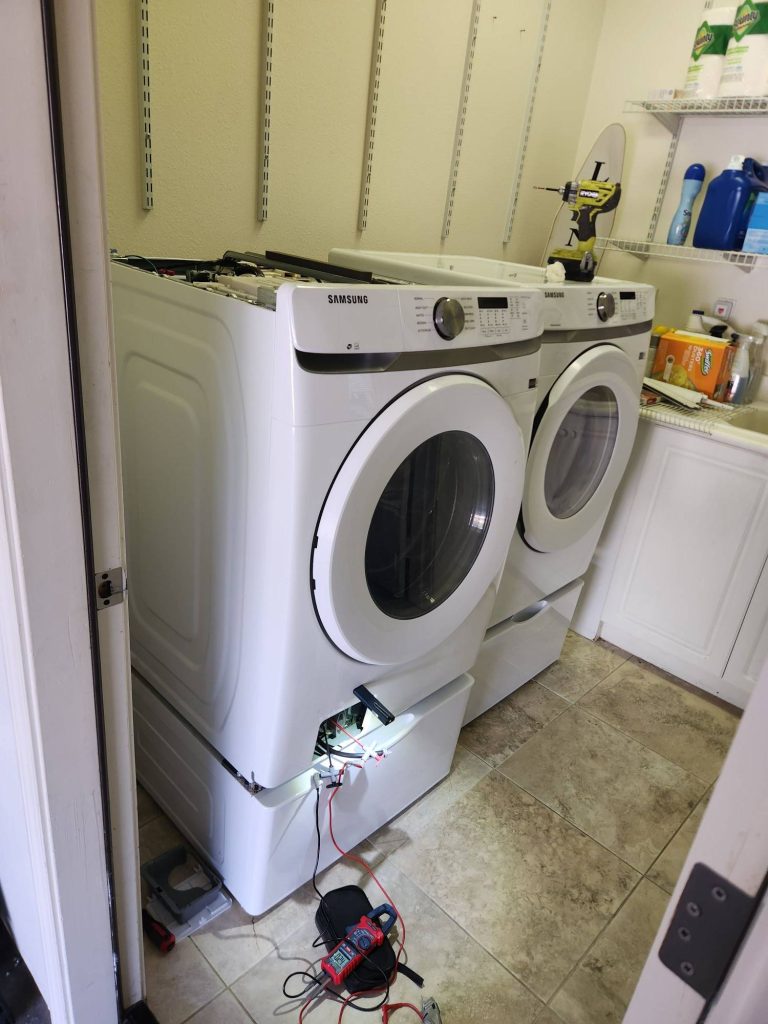
During a standard wash cycle, the control board sends a signal to the drain pump immediately after the wash or rinse phase ends. At the same time, it checks feedback from pressure and level sensors to confirm that water remains in the drum.
In a properly functioning system, this transition happens within seconds. A delay of several minutes usually means the machine is waiting for confirmation signals or attempting to resolve a conflicting reading before activating the pump.
Pressure sensor and water level misreadings
One of the most common reasons for delayed draining is incorrect data from the pressure sensor. This component determines whether water is still present inside the drum.
When it malfunctions, several scenarios are possible:
- the sensor continues reporting “water present” even after drainage should begin
- it sends fluctuating signals that the control board cannot interpret
- the system repeatedly checks the water level before allowing the pump to start
As a result, the machine pauses while repeatedly verifying the internal pressure level. This is often mistaken for a pump failure, although the pump itself may be fully functional.
Even partial clogging of the air chamber or hose connected to the sensor can create this behavior.
Drain pump response delay or partial blockage
Another frequent cause is mechanical resistance in the drainage system. The pump may be working, but not efficiently enough to start immediately under load.
Common issues include:
- partial blockage in the filter or drain hose
- foreign objects slowing the impeller rotation
- weak pump motor starting under resistance
- worn internal pump components
In these cases, the control system may attempt to restart or delay activation until it confirms stable operating conditions. The result is a visible pause before drainage begins.
Control board verification process
Modern washing machines do not activate drainage instantly. The control board performs a sequence of checks before powering the pump. If any parameter is unstable, it introduces a waiting period.
This may include:
- verifying door lock status
- confirming water level sensor stability
- checking motor inactivity before switching modes
- validating electrical load conditions
If the board receives inconsistent signals during this sequence, it extends the pause and repeats verification steps.
Over time, worn relays or unstable connections on the board can also slow down response time.
Electrical instability and voltage fluctuations
Power supply issues can also create delayed drainage behavior. If voltage drops occur during the transition between cycles, the control board may temporarily suspend operations.
Typical effects include:
- delayed activation of the drain pump
- repeated attempt cycles before engagement
- intermittent resets of control logic
This is more noticeable in homes with unstable electrical networks or when multiple high-power devices operate simultaneously.
Clogged filtration system and hidden blockages
A partially clogged drain filter is one of the simplest yet most overlooked causes. When water cannot exit freely, the system interprets this as a potential fault and delays pump activation.
Common blockage points:
- coin trap or filter housing
- drain hose bends or kinks
- buildup of lint, detergent residue, or debris
Even a minor restriction can cause the system to hesitate before engaging the pump, especially in machines with sensitive flow monitoring.
Symptoms that help identify the cause
A delay before draining rarely appears alone. It is usually accompanied by other signs:
- extended cycle times without clear reason
- repeated short pauses at the same stage
- gurgling sounds before pump activation
- incomplete or slow water evacuation
- occasional error codes related to drainage
Observing these patterns helps distinguish between sensor issues, pump wear, and electronic control delays.
Why the machine “waits” instead of failing immediately
The delay mechanism is part of built-in protection logic. The system is designed to avoid activating the drain pump under uncertain conditions. This prevents dry running, overheating, or mechanical damage.
However, when sensors degrade or signals become unstable, this protective logic becomes overactive. Instead of smooth transition, the machine enters repeated verification loops before continuing the cycle.
Why temporary resets don’t solve the issue
Restarting the cycle or unplugging the machine may temporarily clear the delay. This happens because the control board resets stored conditions. However, the underlying cause remains.
If the issue is related to:
- pressure sensor drift
- partial blockage in drainage
- weak pump performance
- unstable board signals
the delay will return and may become longer over time.
Professional diagnosis approach
A proper inspection involves checking the entire drainage chain rather than a single component. This includes:
- testing pressure sensor response under load
- inspecting drain pump performance and resistance
- cleaning and pressure-testing the hose system
- evaluating control board signal timing
- measuring voltage stability during cycle transitions
Only a full system check can determine whether the delay is caused by mechanical restriction or electronic miscommunication.
Service recommendation
A washing machine that consistently pauses before draining is showing early signs of system stress. Ignoring the delay often leads to full drainage failure or pump overload.
Order diagnostics and repair service from the Service Center to restore correct cycle timing and ensure stable drainage performance.