
Washing machine starts and stops repeatedly during a cycle: what is actually happening inside the system
When a washing machine begins a program but interrupts it multiple times before completion, the issue is usually not random. Modern appliances operate through a coordinated system of sensors, electronic modules, and safety protocols. If one element sends unstable or contradictory data, the machine pauses the cycle or restarts specific stages to protect itself.
This behavior often looks like a malfunction, but in reality it is the result of built-in control logic reacting to abnormal conditions.
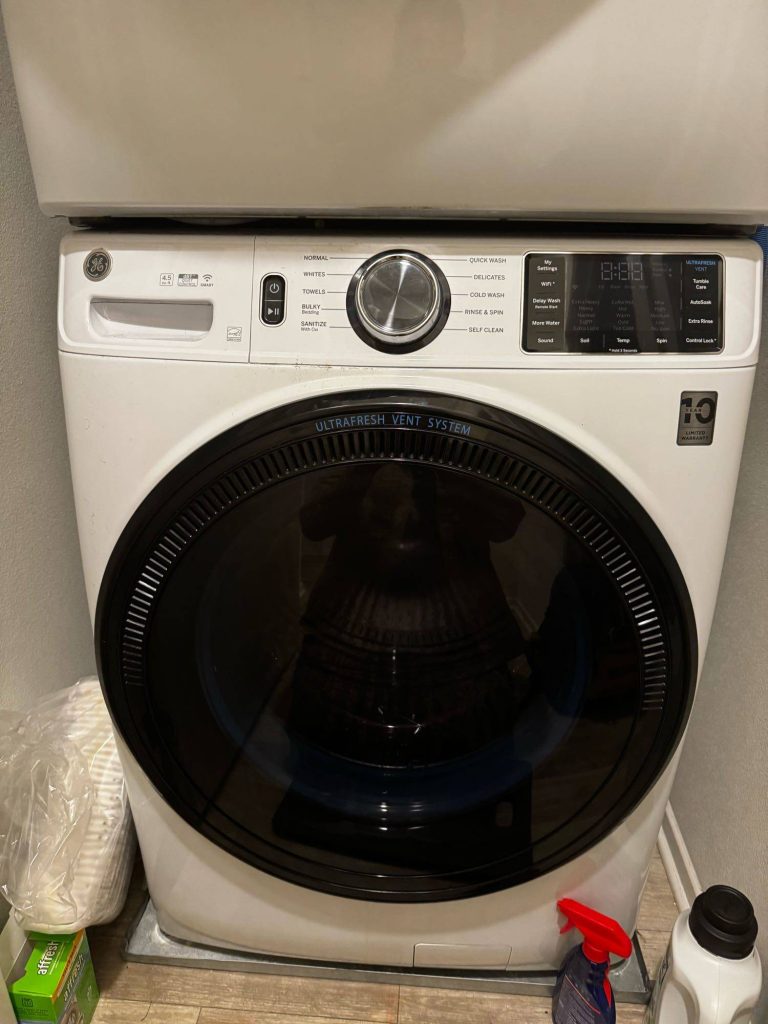
How the cycle control system works
Every washing cycle is managed by the main control board. It sends commands to components such as the water inlet valve, motor, drain pump, and heating element. At the same time, it constantly receives feedback from sensors.
Key sensors involved:
- water level (pressure) sensor
- temperature sensor
- drum rotation (tachometer) sensor
- door lock sensor
If the control board detects missing or inconsistent feedback, it interrupts the process. The machine does this to avoid flooding, overheating, or mechanical overload.
This is why repeated stopping often indicates not a single failure, but a communication issue inside the system.
Water level sensor issues
One of the most common reasons for cycle interruption is incorrect data from the pressure sensor. This component determines how much water is inside the drum
When it malfunctions or becomes clogged with detergent residue, it may:
- report that the drum is full when it is not
- fail to detect water intake correctly
- send fluctuating signals during washing
As a result, the machine may stop filling water or repeatedly restart the intake process. In some cases, it gets stuck in a loop between filling and draining.
Even a small blockage in the air hose connected to the sensor can create unstable readings.
Temperature sensor instability
The temperature sensor ensures that water is heated to the required level. If it provides incorrect values, the system may pause heating or interrupt the cycle entirely.
Common scenarios include:
- sensor reporting overheating when water is still cold
- delayed response causing repeated heating attempts
- unstable readings during rinse cycles
When this happens, the machine may stop at the same stage each time, especially during programs that require heating.
Motor and drum rotation feedback
The motor does not work in isolation. It is monitored by a tachometer sensor that reports drum speed and direction.
If the signal becomes inconsistent:
- the control board may stop the drum immediately
- spin cycles may restart multiple times
- washing stages may not transition properly
This often happens due to worn motor brushes, damaged wiring, or sensor wear. In some cases, belt slippage can also trigger incorrect speed feedback, leading the system to assume a fault condition.
Door lock signal interruptions
The door lock mechanism is a critical safety component. If the control board does not receive a stable “door closed and locked” signal, the cycle will not continue.
Intermittent interruptions may occur due to:
- worn locking mechanism
- unstable electrical contacts
- vibration affecting the connection
- microcracks in wiring
This type of issue often creates random pauses that seem unrelated to any specific stage of the program.
Control board faults
The control board acts as the central processor of the washing machine. Even minor defects can disrupt the entire cycle.
Typical problems include:
- worn relays controlling motor or pump
- oxidized contacts
- damaged solder joints from vibration
- voltage fluctuations affecting microcomponents
When the board behaves unpredictably, the machine may restart stages, freeze, or skip steps. These symptoms often become more noticeable as the fault progresses.
Power supply instability
Unstable voltage is another factor that can cause repeated stopping. Washing machines are sensitive to fluctuations, especially during heating or spin cycles.
When voltage drops or spikes occur:
- the board may reset
- the cycle may restart from an earlier stage
- heating elements may switch off unexpectedly
This issue is often overlooked but can mimic sensor or board failures.
How to recognize the pattern of failure
Although symptoms vary, several patterns are common:
- the machine stops at the same stage every cycle
- programs take significantly longer than usual
- drum rotation becomes irregular or hesitant
- water intake repeats without completing filling
- random pauses followed by restarts
The presence of repeated behavior is an important diagnostic clue. It usually indicates a systemic issue rather than a one-time glitch.
Why temporary fixes do not solve the problem
Resetting the machine or restarting the program may temporarily restore operation, but it does not address the underlying cause. Faulty sensors, unstable wiring, or a weakening control board tend to worsen over time.
Ignoring early signs can lead to:
- complete cycle failure
- damage to motor or pump
- overheating of internal components
- higher repair costs later
What begins as intermittent stopping often develops into full operational breakdown.
Professional diagnosis and repair
Proper troubleshooting requires testing each element of the control system under working conditions. This includes:
- checking sensor accuracy
- inspecting wiring harnesses
- analyzing control board signals
- verifying motor performance
- testing voltage stability
Without proper diagnostic tools, identifying the exact cause is difficult, as several faults can produce identical symptoms.
If a washing machine repeatedly interrupts cycles, it is recommended to perform a full technical diagnosis rather than relying on trial-and-error solutions. Early inspection helps prevent deeper electrical or mechanical damage.
Order diagnostics and repair service from the Service Center to restore stable operation and ensure the appliance completes cycles without interruptions.