
Whirlpool Dryer Stops Heating Mid-Cycle — Possible Cycling Thermostat or Heating Element Failure
A Whirlpool dryer that starts normally but stops producing heat during the cycle may have a problem with its heating system. Clothes may begin drying as expected, then remain damp even though the drum continues to turn. In many cases, the cause is related to the cycling thermostat, heating element, thermal protection system, or airflow.
Understanding the possible causes can help you recognize the problem early and avoid unnecessary damage to the appliance.
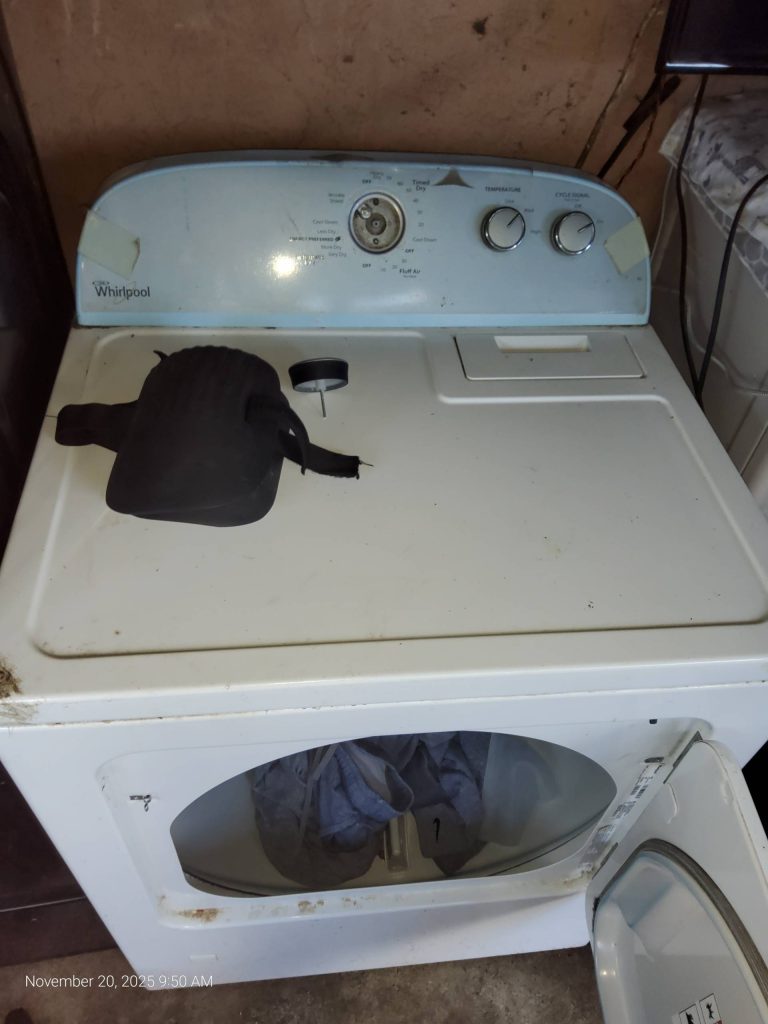
What Happens When a Whirlpool Dryer Stops Heating?
A properly functioning dryer uses several components to create, regulate, and maintain heat. The heating element generates heat, while the cycling thermostat monitors the temperature inside the dryer and controls when the heating element turns on and off.
This cycling process is normal. The element does not remain on continuously throughout the entire drying cycle. Once the desired temperature is reached, the thermostat can shut the element off. When the temperature drops, the element turns on again.
If the cycling thermostat develops a fault, it may incorrectly detect the temperature or fail to control the heating element properly. As a result, the dryer may heat at the beginning of the cycle and then stop heating before the clothes are dry.
Possible Cycling Thermostat Failure
The cycling thermostat is an important temperature-control component. It helps prevent the dryer from becoming excessively hot while allowing the heating element to operate when additional heat is needed. A defective thermostat can cause several symptoms. The dryer may produce heat intermittently, stop heating after several minutes, or run through a complete cycle while leaving clothes damp. A thermostat can fail because of normal wear, electrical problems, overheating, or restricted airflow. If the dryer repeatedly overheats, the thermostat may also be affected by excessive operating temperatures.
Diagnosing the thermostat usually requires testing it with a multimeter and checking whether it opens and closes at the correct temperatures. Simply replacing the component without testing the rest of the heating system may not solve the underlying problem.
Heating Element Problems
Another common possibility is a failing heating element. The heating element in a Whirlpool dryer uses electrical resistance to generate heat. Over time, the element can develop a damaged coil, a partial break, or an electrical connection problem.
A damaged heating element may work when the dryer is cold but fail after it becomes hot. This can explain why the dryer heats normally at the beginning of a cycle and then stops heating later.
In some cases, the element may have a visible break or burned section. However, visual inspection alone is not always enough to identify the problem. Electrical testing can determine whether the element has the correct resistance and whether it is receiving power as expected.
Restricted Airflow Can Also Cause Heating Problems
Airflow should be checked whenever a dryer has a heating issue. A clogged lint screen, blocked exhaust duct, crushed vent hose, or buildup inside the ventilation system can prevent hot, moist air from leaving the dryer.
When airflow is restricted, temperatures inside the appliance can rise too quickly. The cycling thermostat may shut off the heating element to protect the dryer. If the restriction remains, the dryer can continue to struggle with overheating and poor drying performance.
This is why replacing a thermostat or heating element without checking the vent system can result in repeated problems.
Other Components Worth Checking
Several other parts can contribute to a Whirlpool dryer that stops heating during operation. Depending on the model, a technician may need to inspect the thermal fuse, high-limit thermostat, heating element housing, wiring, terminal connections, and control components.
A thermal fuse is designed to interrupt electrical power when the dryer reaches an unsafe temperature. If it has failed, the dryer may stop heating or may not operate correctly at all.
Loose or damaged wiring can also interrupt power to the heating element. Electrical connections should be inspected carefully because continued operation with damaged wiring can create additional problems.
Why the Dryer Should Be Diagnosed Instead of Guessing
Heating problems can have similar symptoms even when the actual causes are different. A dryer that stops heating mid-cycle could have a defective thermostat, damaged heating element, restricted airflow, failed thermal protection, or an electrical issue.
Replacing parts based only on the symptom can lead to unnecessary expenses and may leave the original problem unresolved.
A professional appliance technician can inspect the dryer, test the relevant components, check airflow, and determine which part is actually responsible for the failure.
When to Stop Using the Dryer
If the dryer becomes unusually hot, produces a burning smell, makes unusual electrical noises, repeatedly shuts down, or shows signs of damaged wiring, stop using it until the problem has been inspected.
Continuing to operate a dryer with a heating or airflow problem can place additional stress on its components and may create a serious safety risk.
Whirlpool Dryer Repair Service
If your Whirlpool dryer starts heating and then stops during the cycle, the cycling thermostat or heating element may be responsible, but proper diagnosis is necessary to identify the exact cause.
For professional Whirlpool dryer troubleshooting and repair, contact the Service Center. A qualified technician can inspect the heating system, test the thermostat and heating element, check airflow, and recommend the appropriate repair.
Don’t keep running a dryer that leaves clothes damp or repeatedly loses heat. Contact the Service Center today to schedule a diagnostic and repair service.