
Whirlpool Washing Machine Overheats During the Wash Cycle — Possible Temperature Sensor or Control Board Failure
A Whirlpool washing machine that becomes unusually hot during a wash cycle may have a problem with its temperature regulation system. While warm water is normal during certain washing programs, excessive heat can damage delicate fabrics, affect internal components, and indicate an electrical malfunction. Some homeowners notice that their laundry feels much hotter than expected, while others discover unusually hot water, unexpected cycle interruptions, or error messages on the control panel. A faulty temperature sensor, defective electronic control board, or malfunctioning water inlet valve may be responsible. Understanding these possibilities can help you recognize when your Whirlpool washing machine requires professional inspection.
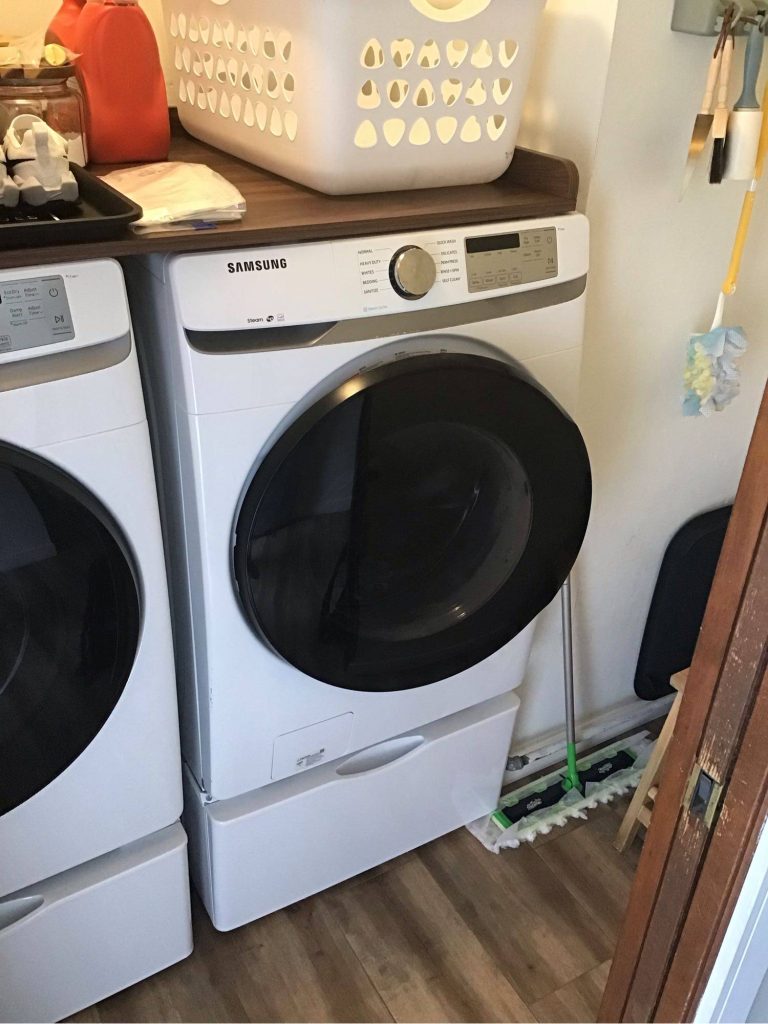
How Whirlpool Washing Machines Control Water Temperature
Whirlpool washing machines regulate washing temperatures through a combination of electronic controls, water inlet valves, and, on certain models, internal heating systems. The control board determines how much hot and cold water enters the drum based on the selected washing program. Some machines use temperature sensors to monitor water conditions and help maintain the appropriate settings. Models equipped with internal heaters may also regulate water temperature through heating elements and associated electronic components. When these systems operate correctly, the washing machine maintains conditions suitable for the selected cycle. However, sensor errors or electronic control problems can interfere with temperature regulation. The exact components involved depend on the washer model and its available washing functions.
Faulty Temperature Sensor and Incorrect Readings
A defective temperature sensor is one possible reason a Whirlpool washing machine overheats during operation. On models equipped with temperature monitoring, the sensor measures water temperature and communicates information to the electronic control system. If the sensor provides inaccurate readings, the washing machine may fail to recognize that the water has become hotter than intended.
Temperature sensor problems can develop because of electrical damage, deteriorated connections, moisture exposure, or component wear. Possible symptoms include unexpectedly hot wash water, inconsistent temperatures, interrupted cycles, or temperature-related error codes. A professional technician can test the sensor and its associated wiring to determine whether replacement is necessary.
Electronic Control Board Malfunction
The electronic control board coordinates important washing machine functions, including water filling, cycle timing, motor operation, and temperature regulation. If the control board develops a fault, it may fail to operate temperature-related components correctly. For example, defective switching circuitry may interfere with water inlet valve operation or heater control on models equipped with internal heating elements. Some control board failures produce additional symptoms, such as unresponsive buttons, irregular cycle changes, unexpected pauses, or error messages. However, excessive washing temperature does not automatically mean that the control board needs replacement. Proper electrical testing is necessary to distinguish a defective board from faulty sensors, wiring, or other components.
Hot and Cold Water Inlet Valve Problems
A malfunctioning water inlet valve can also affect washing machine temperature. Many Whirlpool washers use controlled hot and cold water supplies to achieve the selected wash temperature. If the cold water valve fails to open properly, the machine may receive more hot water than intended. Restricted cold water flow, clogged inlet screens, or incorrectly connected supply hoses can create similar symptoms. Homeowners may notice excessively warm water even when selecting a cooler washing program. A technician can examine the inlet connections, verify water supply conditions, and evaluate whether the valves operate correctly. Checking the water supply system is especially important before assuming that the electronic controls have failed.
Heating Element Problems in Equipped Models
Some Whirlpool washing machines include internal water heating components designed for specific washing programs. These systems may use a heating element, temperature sensor, and control circuitry to regulate water temperature. If the heating system malfunctions, the machine may struggle to maintain appropriate temperatures. Potential causes include defective temperature monitoring, damaged electrical connections, or problems with the heater control circuit. Not every Whirlpool washer contains an internal heating element, so diagnosis must be based on the appliance’s exact model. Professional inspection can determine whether the heating system is involved in the overheating problem.
Warning Signs of Washing Machine Overheating
Excessive heat may become noticeable through several changes in normal washer operation. Laundry may feel unusually hot after a cycle, particularly when a cool or warm wash setting was selected. Other warning signs include unexpected steam, excessively hot water, temperature-related error codes, or cycles that stop without completing. Repeated overheating may contribute to fabric damage and place unnecessary stress on certain washer components. A burning smell, smoke, or visible electrical damage indicates a potentially serious safety problem. If these symptoms occur, discontinue use and arrange professional service before operating the washing machine again.
What to Do if Your Whirlpool Washer Overheats
If your Whirlpool washing machine becomes excessively hot, stop the cycle and avoid opening the door while hot water remains inside. Allow the appliance to cool naturally. Disconnect electrical power when it is safe, and avoid touching exposed wiring or internal components. Check the selected wash program to confirm that a high-temperature setting was not activated accidentally. You can also verify that the hot and cold supply hoses are connected according to the manufacturer’s instructions. Do not repeatedly restart the washer to test overheating symptoms, especially if you notice unusual smells or electrical problems.
Professional Whirlpool Washing Machine Temperature Repair
Diagnosing temperature regulation problems requires examining the relationship between sensors, water inlet valves, wiring, and electronic controls. A technician can evaluate temperature readings, inspect electrical connections, and test components associated with the selected washing program. If a defective sensor, valve, or control board is identified, the technician can recommend the appropriate replacement. Accurate diagnosis helps prevent unnecessary repairs while restoring the washing machine’s ability to operate at suitable temperatures.
Schedule Whirlpool Washing Machine Repair with Service Center
A Whirlpool washing machine that overheats during the wash cycle may have a defective temperature sensor, malfunctioning control board, water inlet valve problem, or heating system failure. Continuing to operate an overheating appliance can increase the risk of damage to clothing and internal components. Contact Service Center today to schedule professional Whirlpool washing machine repair. Our technicians can inspect temperature regulation components, identify the cause of overheating, and recommend repairs to restore safe, dependable washer operation.