
Wolf Range Hood Fan Turns On but Stops After a Few Minutes — Possible Overheating Motor or Control Board Failure
A Wolf range hood is designed to remove smoke, grease, steam, and cooking odors from your kitchen. When the fan starts normally but stops running after a few minutes, it can indicate a problem with the motor, electrical components, or control system. Although the hood may appear to work at first, repeated shutdowns can make ventilation unreliable and allow heat and cooking fumes to accumulate.
Understanding the possible causes can help you determine when basic troubleshooting is appropriate and when professional appliance repair is necessary.
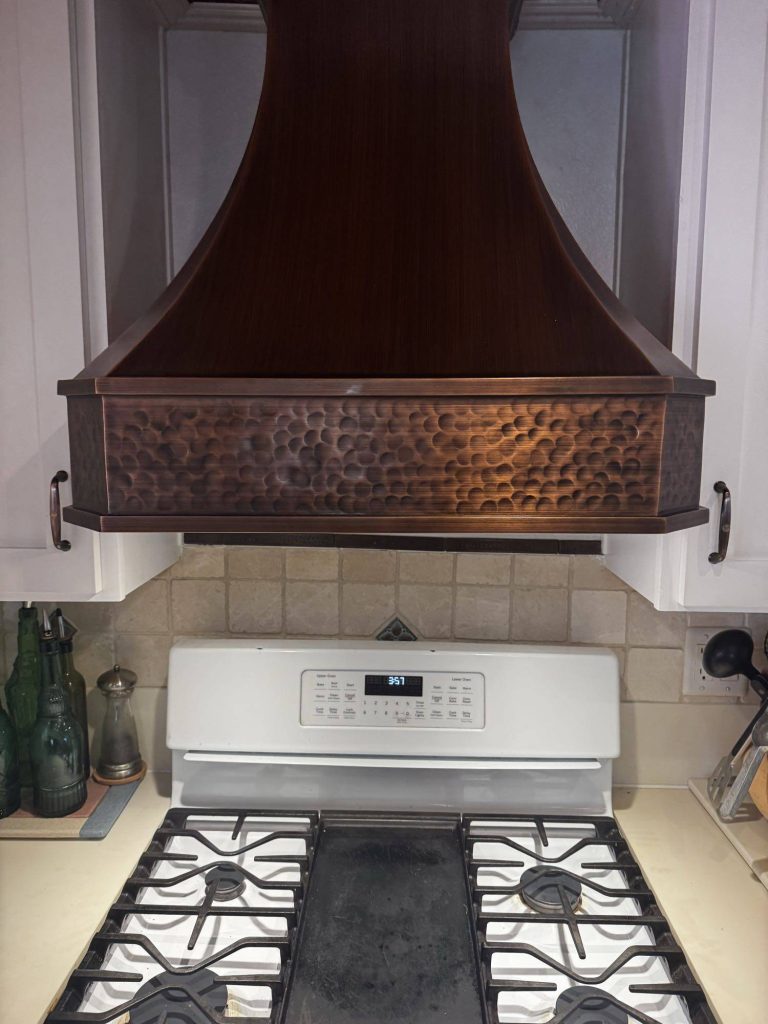
Why Does a Wolf Range Hood Fan Stop After a Few Minutes?
Several components can cause a Wolf range hood fan to shut off unexpectedly. The most common possibilities include an overheating motor, a failing control board, restricted airflow, or an electrical connection problem. The exact cause depends on the hood’s model, operating conditions, and symptoms.
1. Overheating Fan Motor
An overheating motor is one possible explanation when the fan runs for several minutes before stopping. The motor generates heat during operation, and certain faults can cause its temperature to rise beyond the intended operating range.
A worn motor bearing, internal electrical damage, or excessive resistance can increase the motor’s workload. If the motor has thermal protection, that protection may interrupt operation when the temperature becomes too high.
You might notice that the fan works again after the hood has cooled down. If this pattern repeats, it suggests that the motor or another component may be overheating.
Continuing to operate the hood in this condition can worsen the underlying problem. A technician can inspect the motor, check its electrical characteristics, and determine whether repair or replacement is appropriate.
2. Restricted Airflow and Grease Buildup
A range hood needs an unobstructed airflow path to ventilate the cooking area effectively. Grease filters collect airborne grease, while the duct system carries exhausted air outside on ducted models.
When filters become heavily clogged, airflow can decrease. Obstructions in the ductwork or problems with the blower assembly can also interfere with ventilation and contribute to abnormal operating conditions.
Remove and clean the filters according to the manufacturer’s instructions, allowing them to dry completely before reinstalling them. If the fan continues to stop after a few minutes, the problem may involve the motor, internal components, or another fault that requires professional diagnosis.
Cleaning the filters is useful maintenance, but it will not correct a damaged motor or defective control board.
3. Faulty Electronic Control Board
The electronic control board manages functions such as fan speed and operating commands, depending on the specific Wolf range hood model. If the board develops a fault, it may fail to maintain consistent power to the fan motor.
Possible symptoms include the fan shutting off unexpectedly, inconsistent speed selection, unresponsive buttons, or operation that changes without an obvious reason.
Electrical surges, damaged components, and deteriorating connections can contribute to control board problems. However, similar symptoms may also result from a faulty switch, motor, or wiring issue.
A qualified technician can test the relevant circuits and verify whether the control board is responsible before replacing it. This approach helps avoid unnecessary parts replacement and ensures the repair addresses the actual cause.
4. Loose Wiring or Electrical Connection Problems
A fan that stops abruptly may have an intermittent electrical connection. Loose terminals, damaged wiring, or a failing connector can interrupt the power supply to the motor or control system.
In some cases, the hood may restart after the connection is restored temporarily, making the problem difficult to identify without testing.
Electrical faults should be taken seriously, especially if you notice a burning smell, unusual buzzing, visible damage, or signs of overheating. Stop using the hood and arrange a professional inspection. Do not open electrical compartments or attempt internal wiring repairs yourself.
5. Fan Speed or Blower Assembly Problems
If the fan operates at one speed but stops at another, the problem may involve the motor, speed-control components, or blower assembly.
Accumulated grease, physical obstruction, worn bearings, or a damaged fan wheel can interfere with normal rotation. The motor may struggle to maintain the selected speed or draw abnormal current.
Pay attention to whether the fan stops at every speed setting or only when operating at higher speeds. This information can help a technician narrow down the possible causes.
Avoid reaching into the blower housing while the appliance is connected to power. Internal components can cause injury, even when the fan is not visibly moving.
What Can You Check Before Calling for Repair?
A few external checks may help identify simple maintenance issues:
- Clean the grease filters. Follow the cleaning instructions for your specific Wolf model.
- Check the operating settings. Confirm that the fan is not being switched off by an automatic function or an unintended control input.
- Observe the shutdown pattern. Note how long the fan runs, which speed is selected, and whether it restarts after cooling.
- Listen for unusual sounds. Grinding, rattling, or buzzing may indicate a motor or blower problem.
- Check for warning signs. A burning odor, visible damage, or repeated electrical interruptions requires immediate attention.
If the fan repeatedly stops, avoid restarting it over and over. Repeated operation under faulty conditions can place additional stress on electrical and mechanical components.
When Should You Schedule Professional Wolf Range Hood Repair?
Professional service is recommended when cleaning the filters and checking the settings do not resolve the issue. A technician can inspect the motor, evaluate the blower assembly, test electrical connections, and assess the control board.
Accurate diagnosis matters because several different failures can produce nearly identical symptoms. Replacing the motor without checking the control system, for example, may leave the original problem unresolved.
Prompt repair can restore reliable ventilation, help prevent further component damage, and reduce the risk of an electrical fault becoming more serious.
Schedule Wolf Range Hood Repair With Service Center
If your Wolf range hood fan turns on but stops after a few minutes, do not ignore the recurring shutdowns. The problem may involve an overheating motor, restricted airflow, a faulty control board, or an electrical connection that needs professional attention.
Contact Service Center to schedule a Wolf range hood inspection and repair. A qualified technician can identify the source of the problem, explain the recommended repair, and help restore dependable kitchen ventilation.
Call Service Center today to arrange appliance repair and get your range hood working properly again.